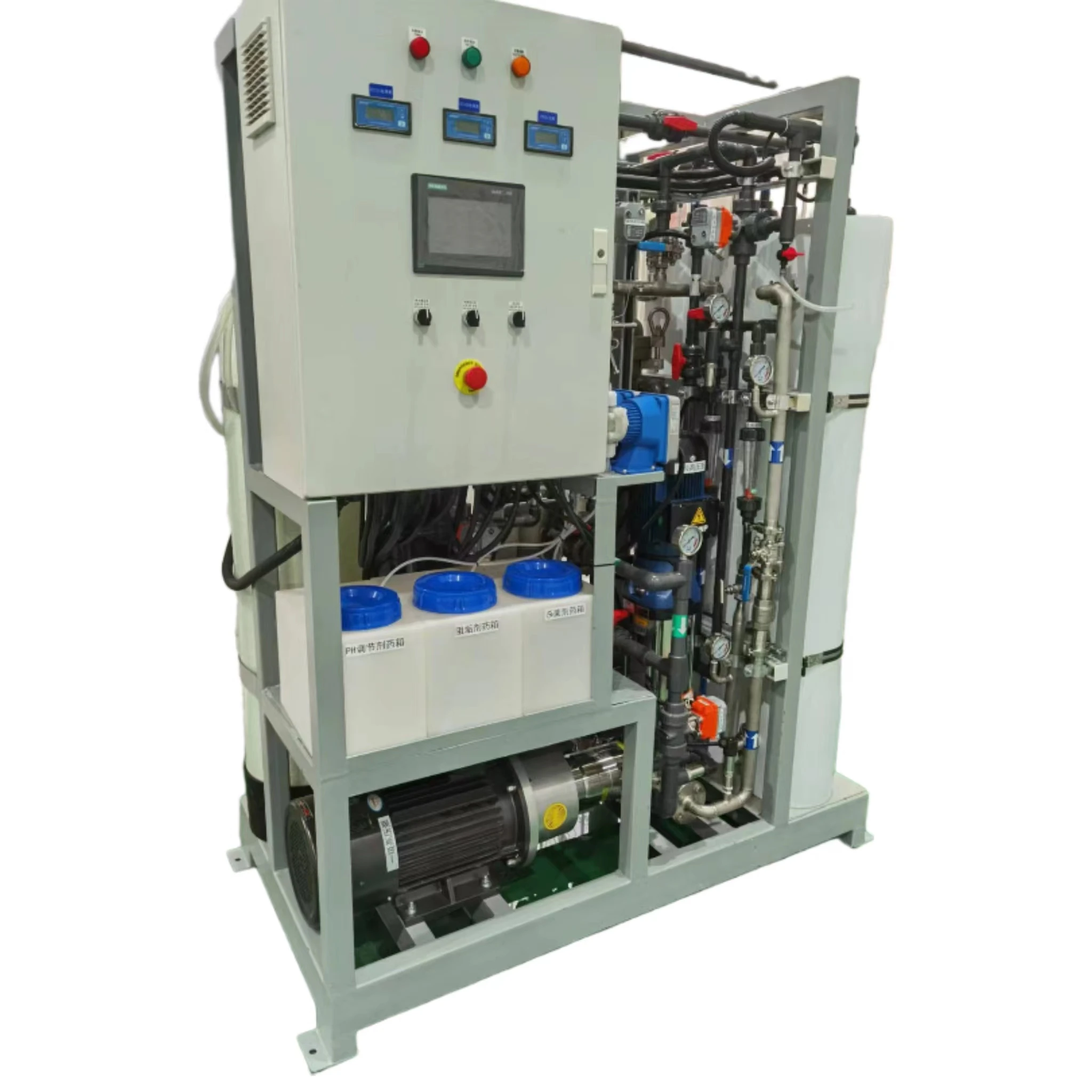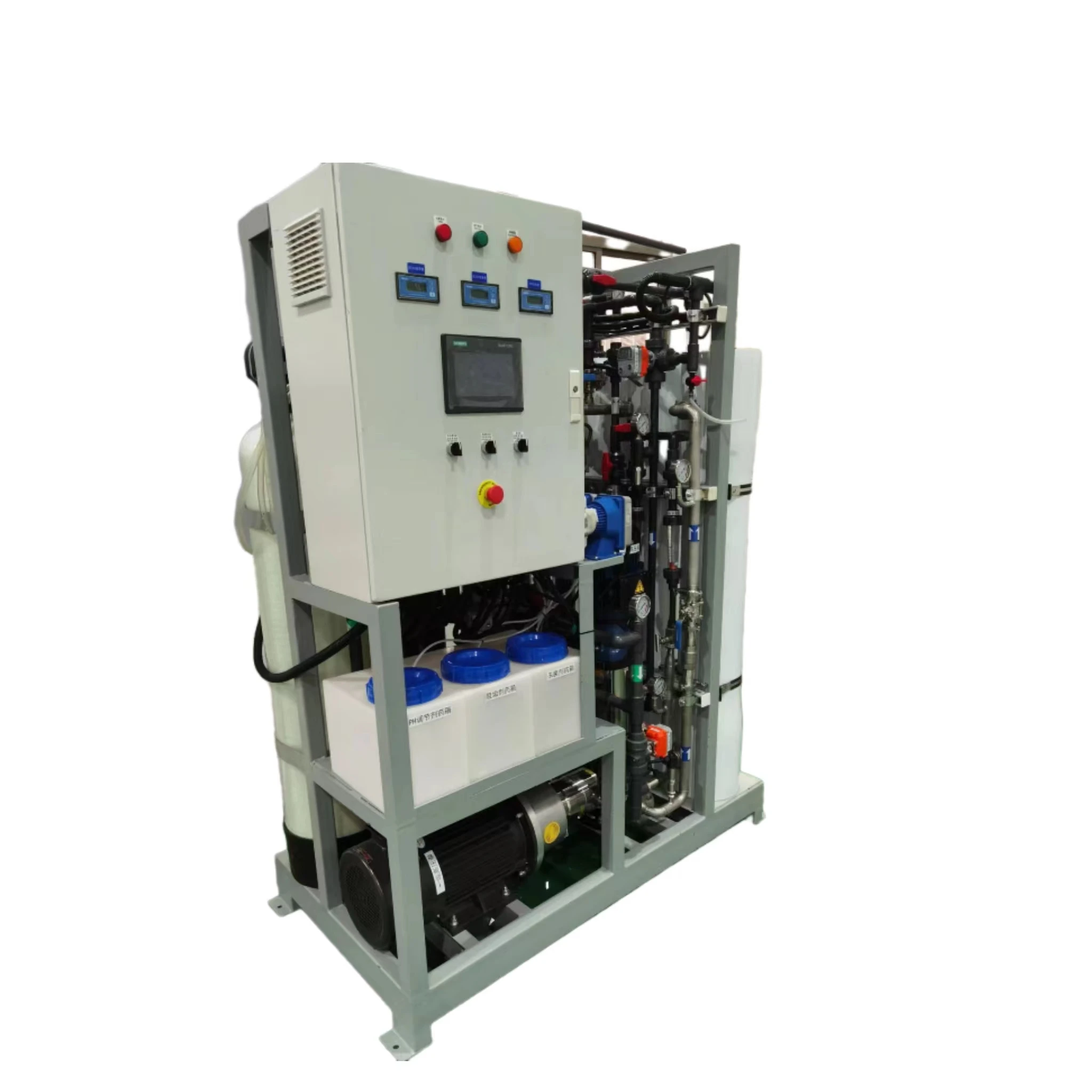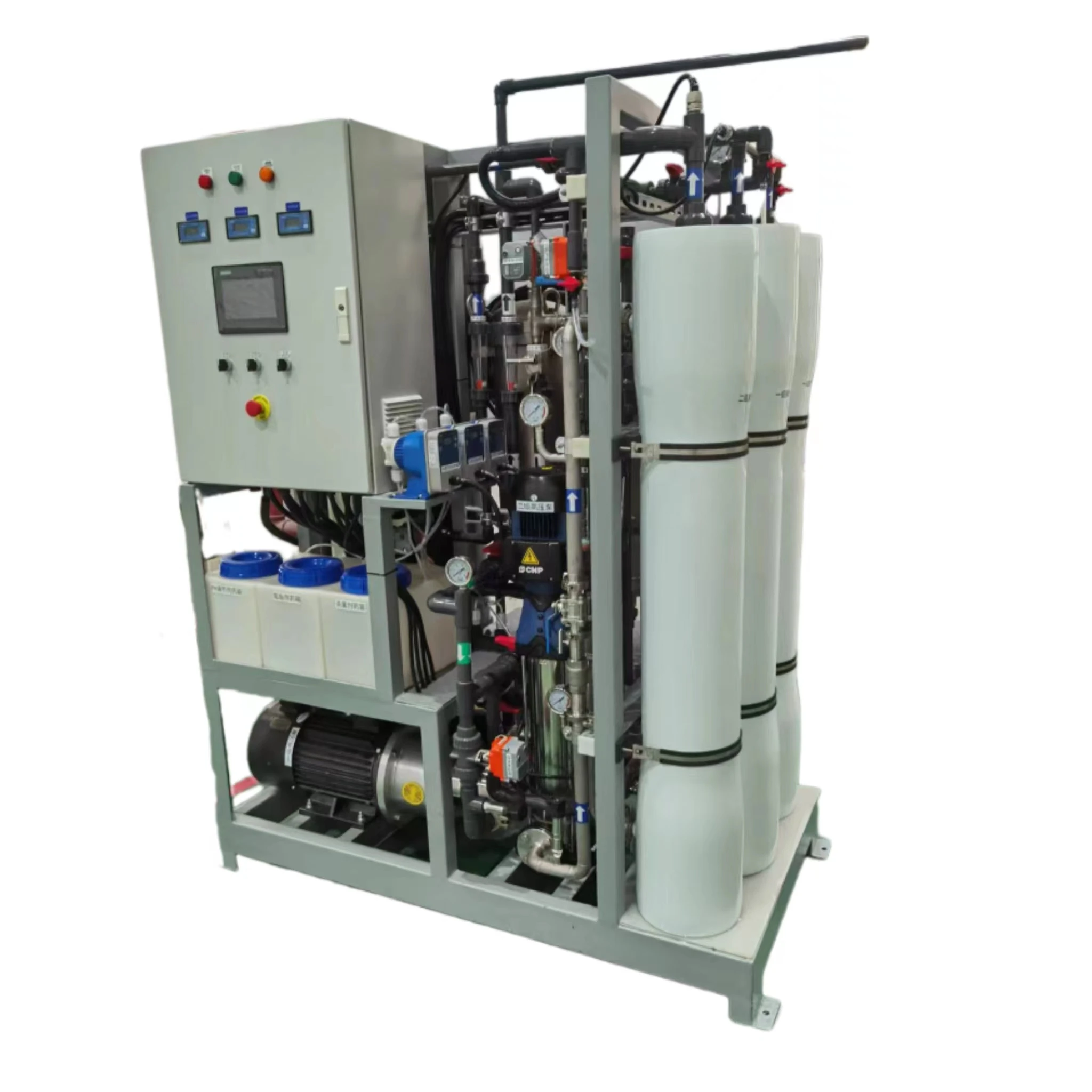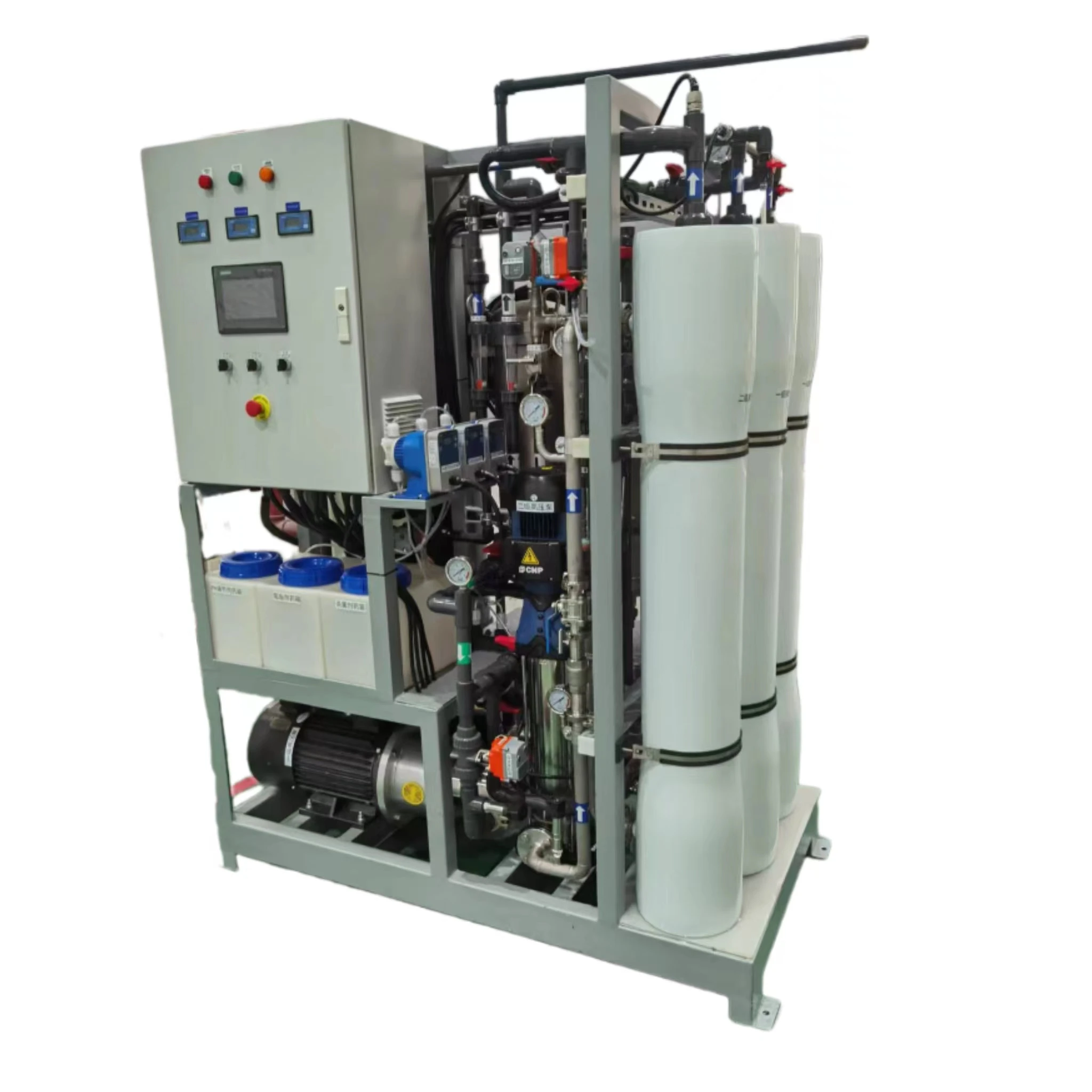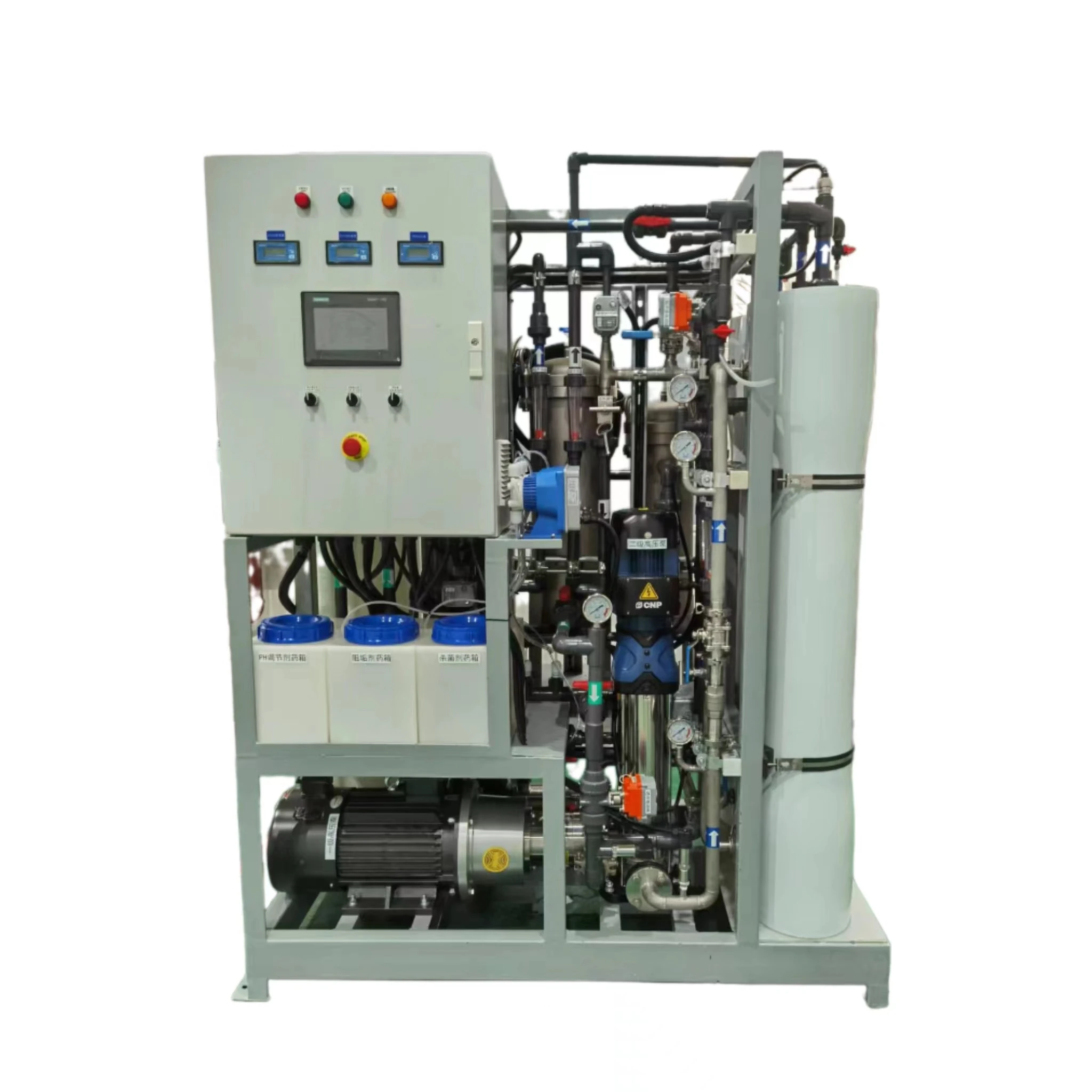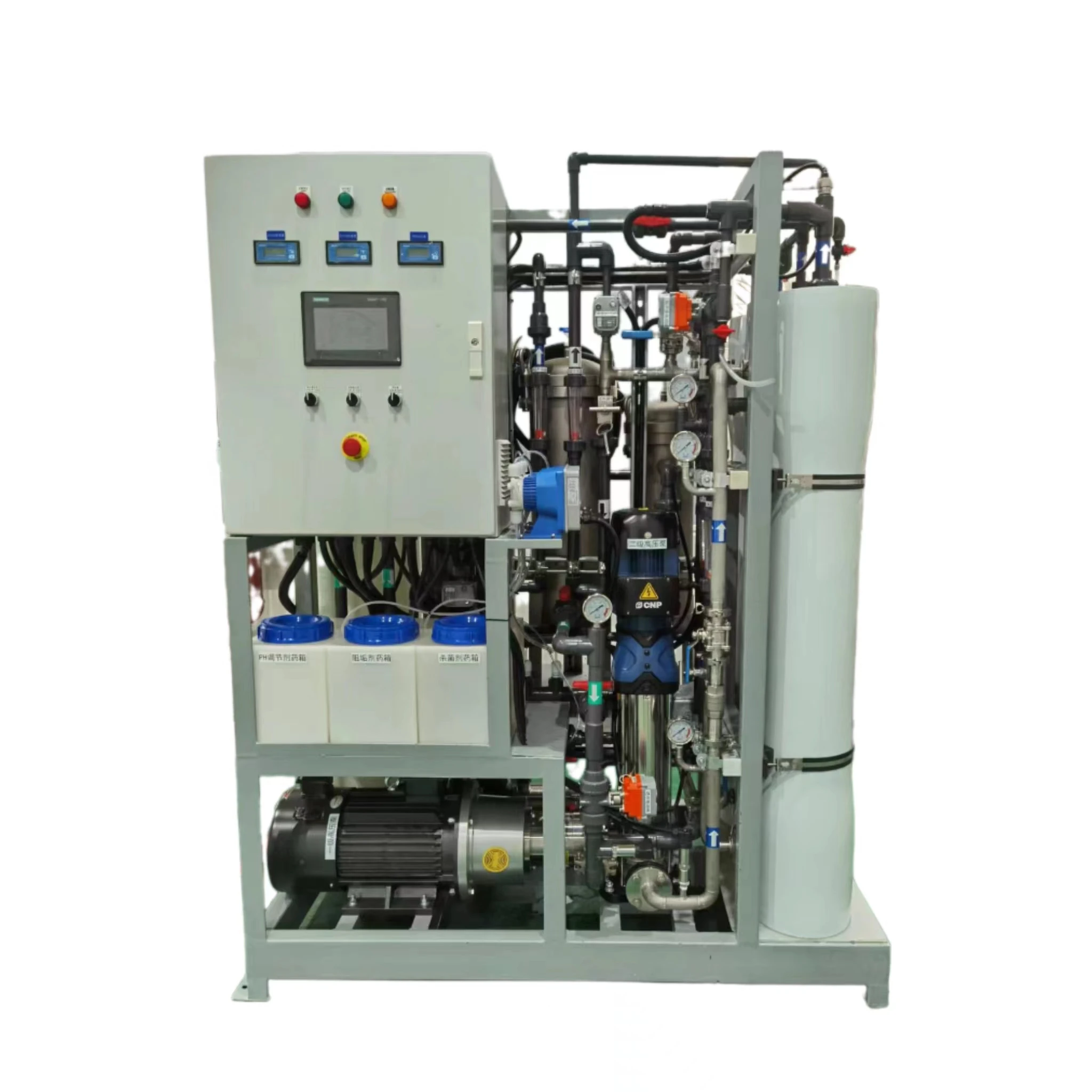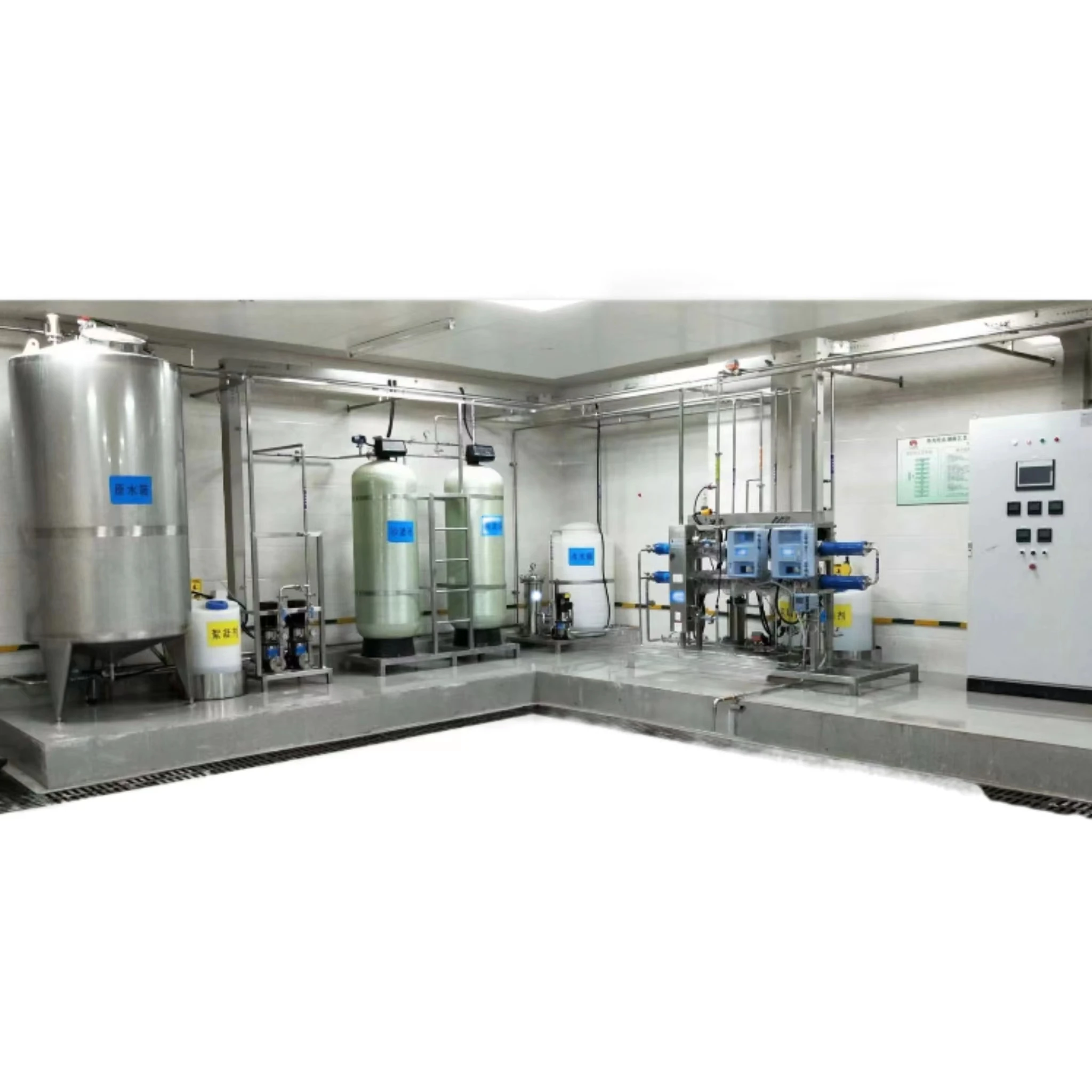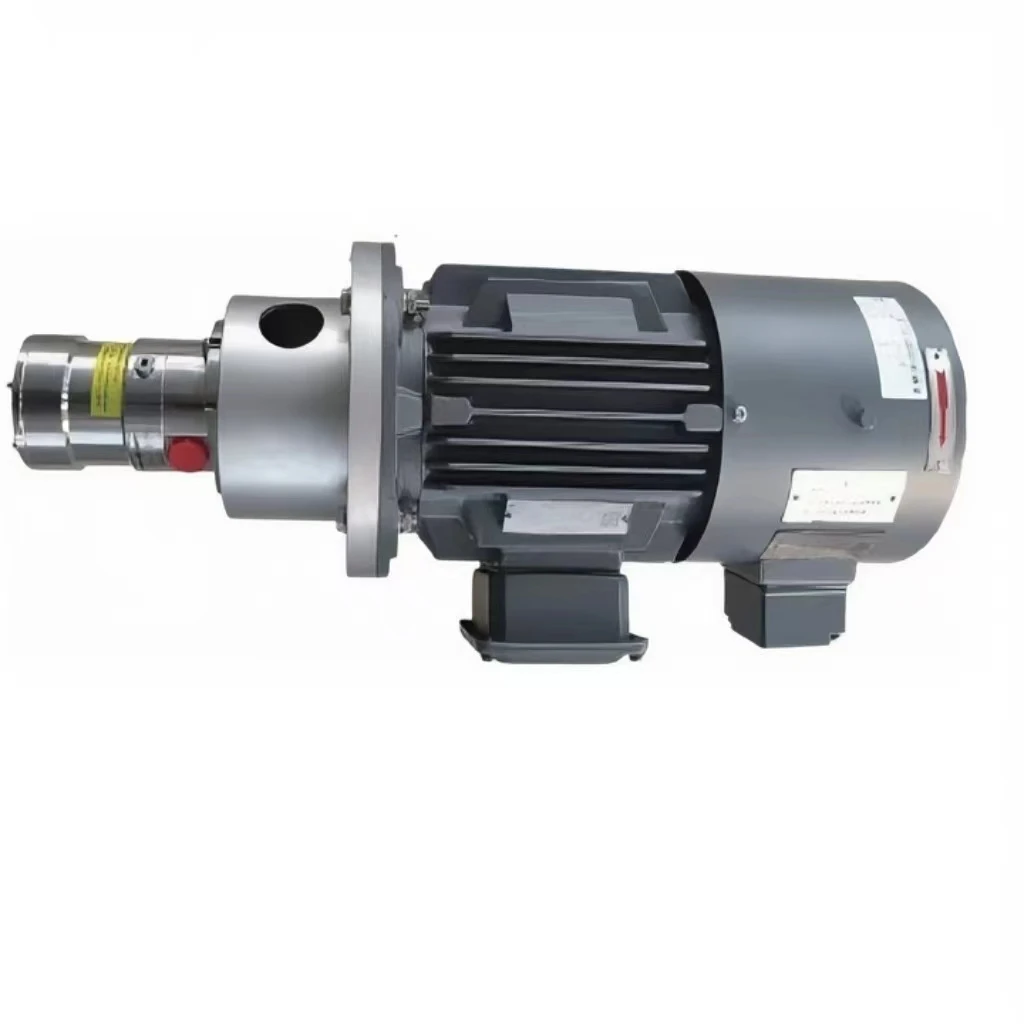
The first step is called pretreatment. In this phase we filter the sea water to remove larger pieces — such as rocks, seaweed and debris. This is critical because we want to ensure that any large solids are eliminated before proceeding. Then we pass the water through smaller filters to remove the very fine pieces, such as sand and dirt, making the water clearer.
Then the water is subjected to a process called reverse osmosis. This might sound intricate, but it’s really straight. In this step we force the water through a special filter (a semi-permeable membrane). This is a filter that should allow just the water molecules through, while leaving the salt and other undesired substances behind. This just removes almost all of the salt and other stuff so the water is much cleaner.
Finally, we come to the last step, known as post-treatment. This is extremely critical because it assists in ensuring that the water is fit for drinking. In this step, we add chemicals such as chlorine that we use to kill any germs or harmful bacteria that might still remain in the water. This process guarantees that by the time the water arrives to us, it is clean and safe for human consumption.
This is important because clean water is essential for most economic activities and human health is a fundamental aspect of development. This makes desalination a possible solution. Desalination plants can turn sea water into safe drinking water for thousands of people in areas where fresh water is scarce. This means people don’t have to worry as much about where their water is coming from and they can have clean water every day.
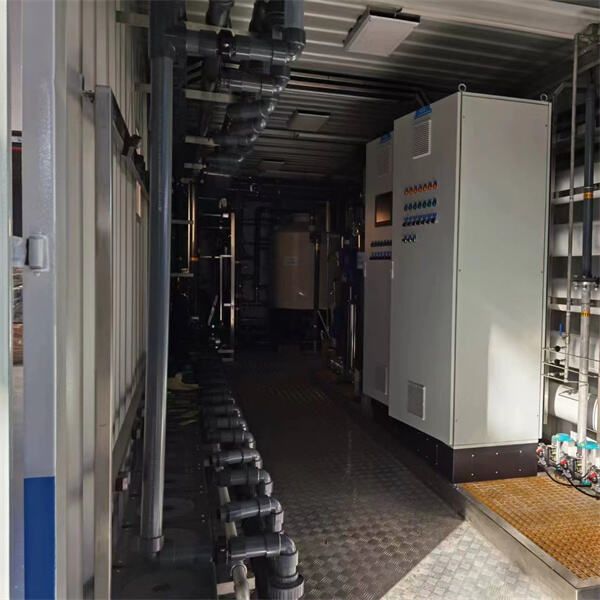
There are many benefits to desalinated water. It’s a consistent and trustworthy source of clean drinking water, even in places where fresh water is scarce. This is all the more crucial during drought, or when natural water sources may be low. Moreover, the use of desalination can lessen the need of extracting water from underground sources which can eventually be depleted. This keeps our natural water sources safe for future generations.
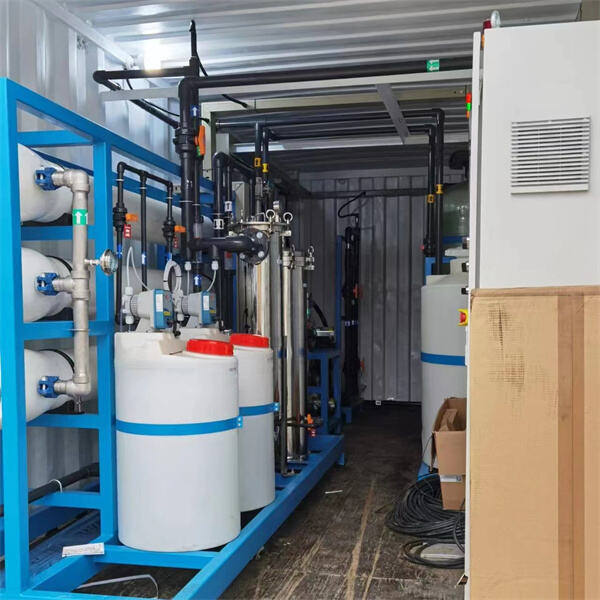
But like any other technology, desalination is not without its challenges. Building and maintaining desalination plants can also be very expensive, so not every community can afford to have one. In addition, desalination also requires a large amount of input energy to operate. As a result it raises questions about its environmental footprint from using all this energy. After desalination there is also the salty water which remains, called brine, which is hard to dispose of safely to protect the environment.
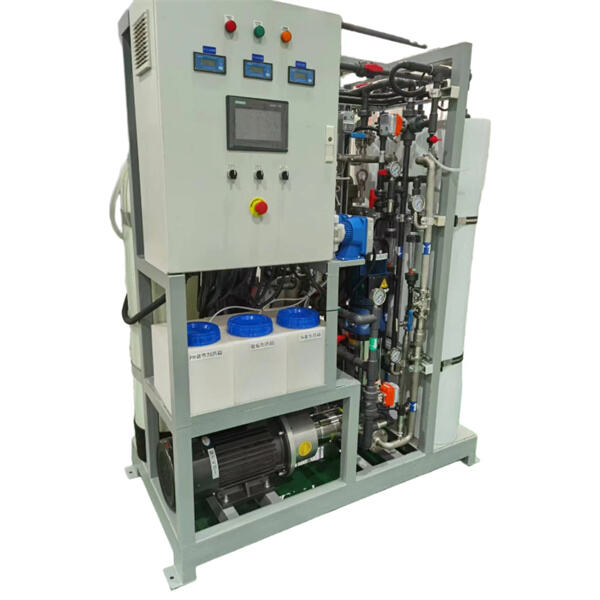
Scientists and engineers are constantly striving to improve desalination technology. One promising new technique is known as forward osmosis. It is a recipe more efficient to extract salt from sea water, which uses a different filter. Other approaches include solar desalination, which uses the energy of the sun to assist the desalination needed. This contributes to more eco-friendly desalination and lower energy costs.
The company follows strict standards and processes in quality control to ensure that every piece of equipment meets international quality requirements. We have a professional quality assurance team that conducts meticulous testing and inspection of raw materials, assembly, processes, and other aspects to ensure that our products fully meet the requirements of the design documents and confirmed design drawings. At the same time, we invite customers to participate in the main stages of product production inspection and acceptance to ensure transparency and customer satisfaction.
The management team of Sihe Biotechnology (Jiaxing) Co., Ltd. is composed of technical personnel with years of experience in the water treatment industry, senior engineers from foreign companies, outstanding personnel with experience in research institutes and large domestic environmental engineering companies. The company prioritizes the cultivation of human and technical resources, with the core being the establishment of an excellent service management team that adapts to the competition in the domestic water treatment market
The company integrates research and development, production, sales, demonstration and promotion of integrated seawater desalination technology, and has 20 sets of automation, intelligent production, testing, inspection and other equipment. It is a provincial demonstration intelligent workshop
Your satisfaction doesn't end when you purchase our product; it's just the beginning. We prioritize your needs above all else and offer round - the - clock, all - encompassing after - sales services. Whether you're grappling with a product - related issue or in need of technical assistance, our highly trained and responsive team is just a call or an email away. We're committed to forging lasting relationships with our customers, ensuring that you can use our products with complete peace of mind.
Copyright © Sihe Biotechnology (Jiaxing) Co., Ltd All Rights Reserved | Privacy Policy | Blog
 EN
EN