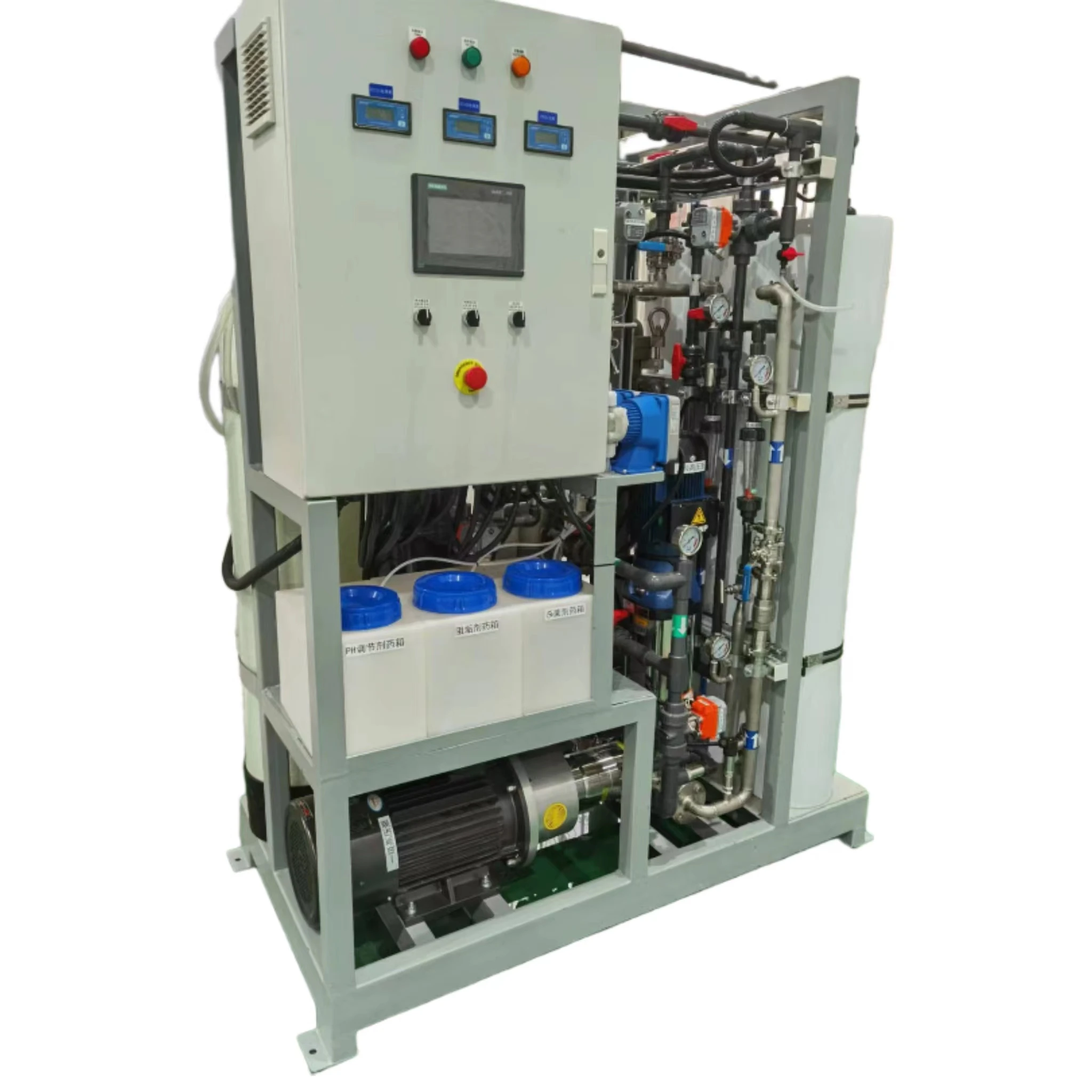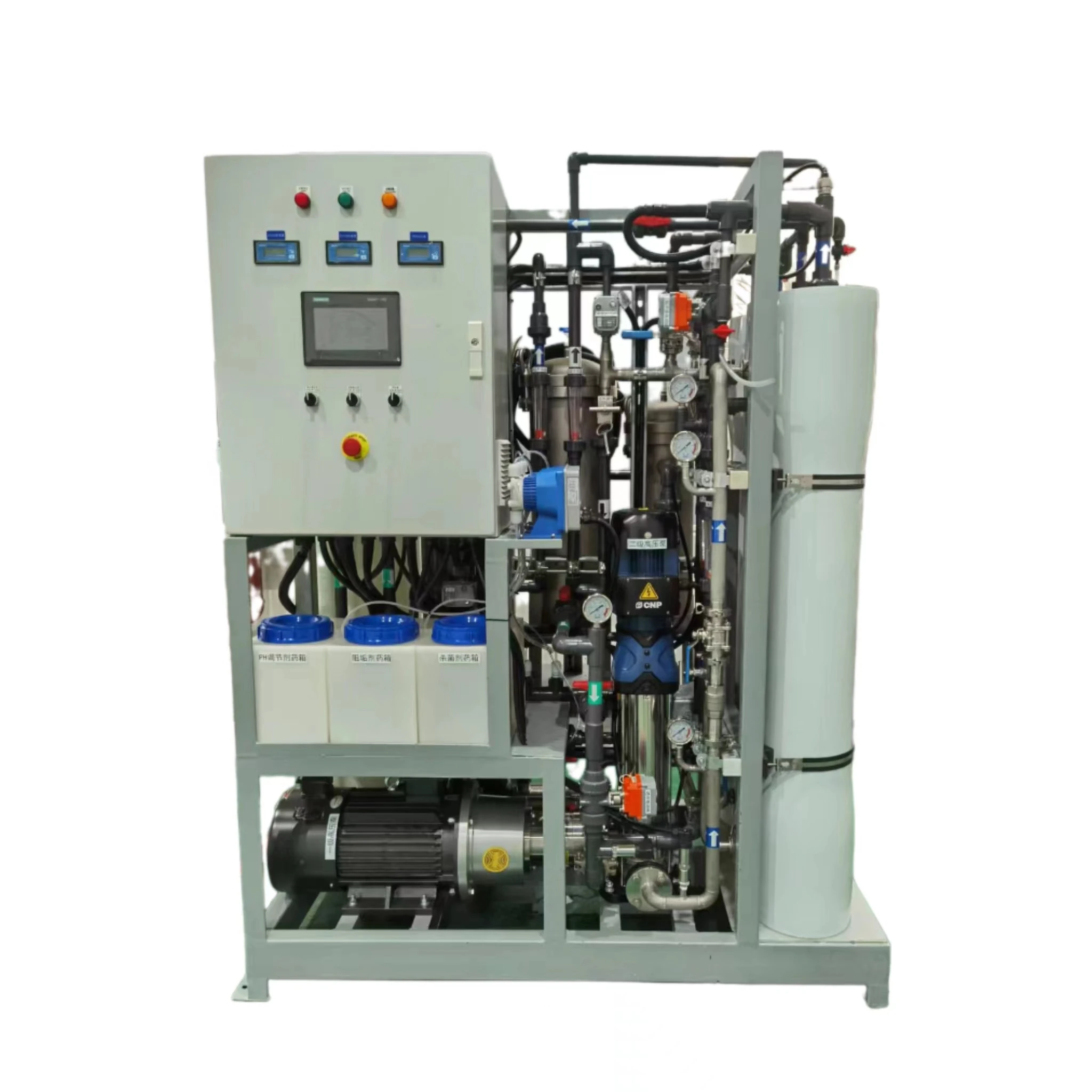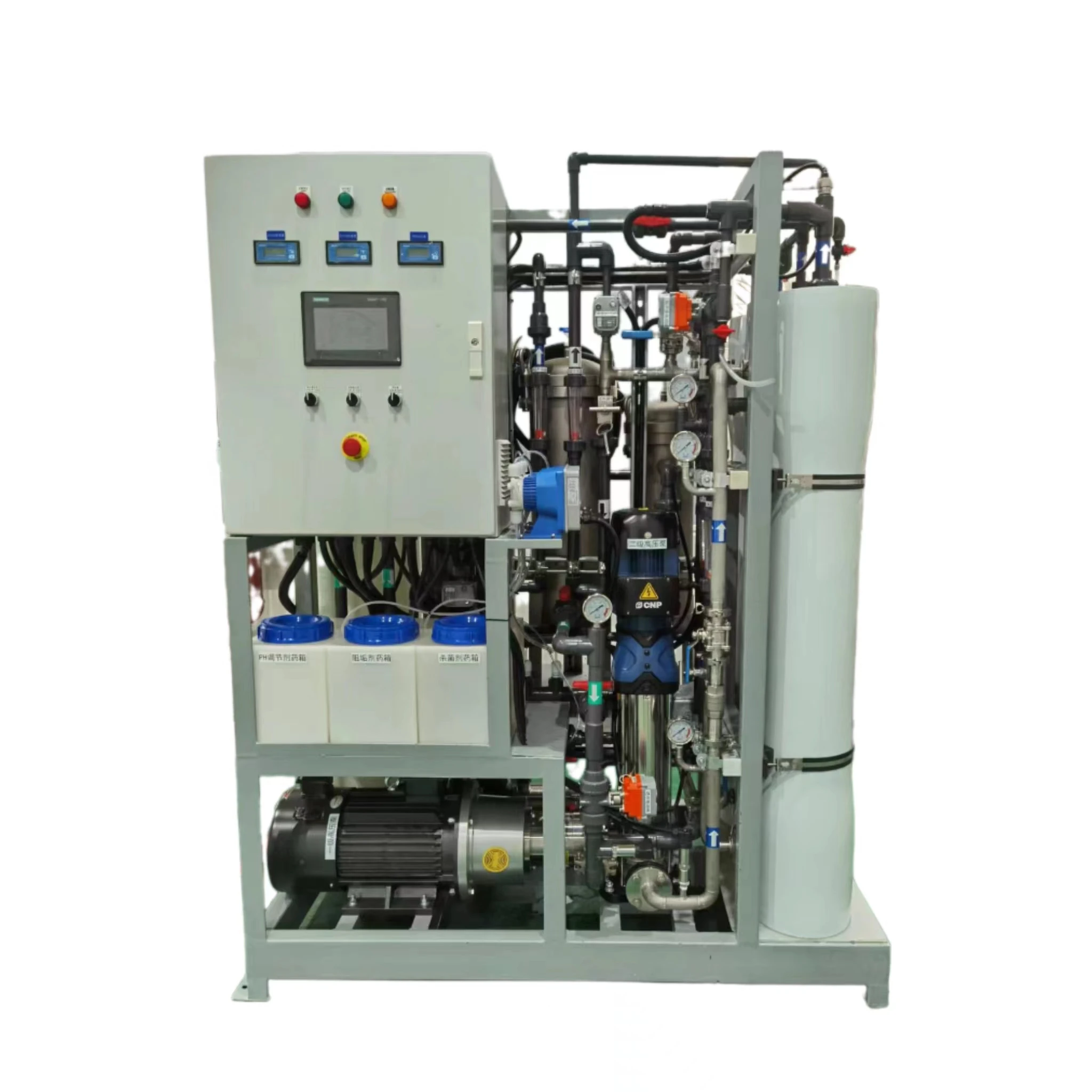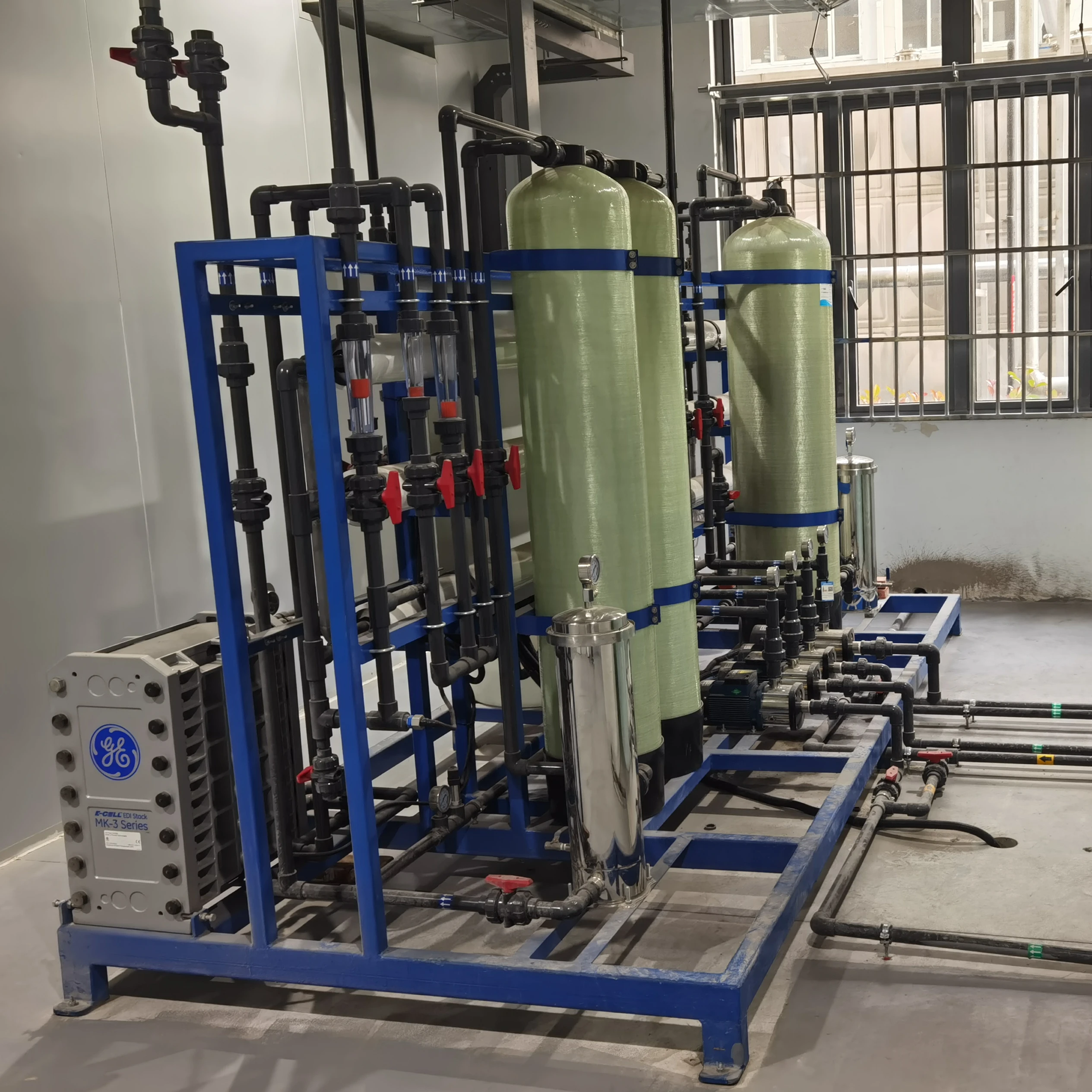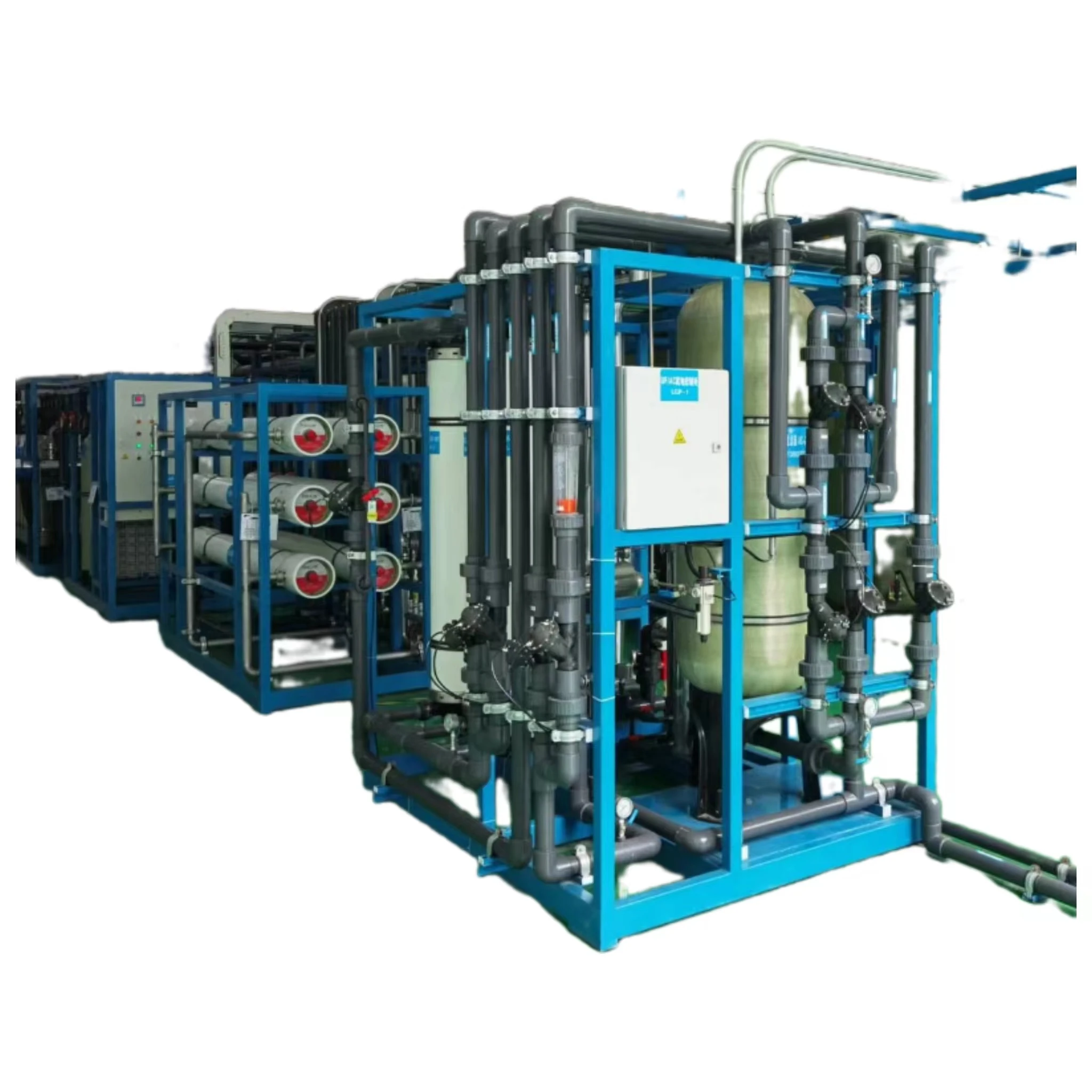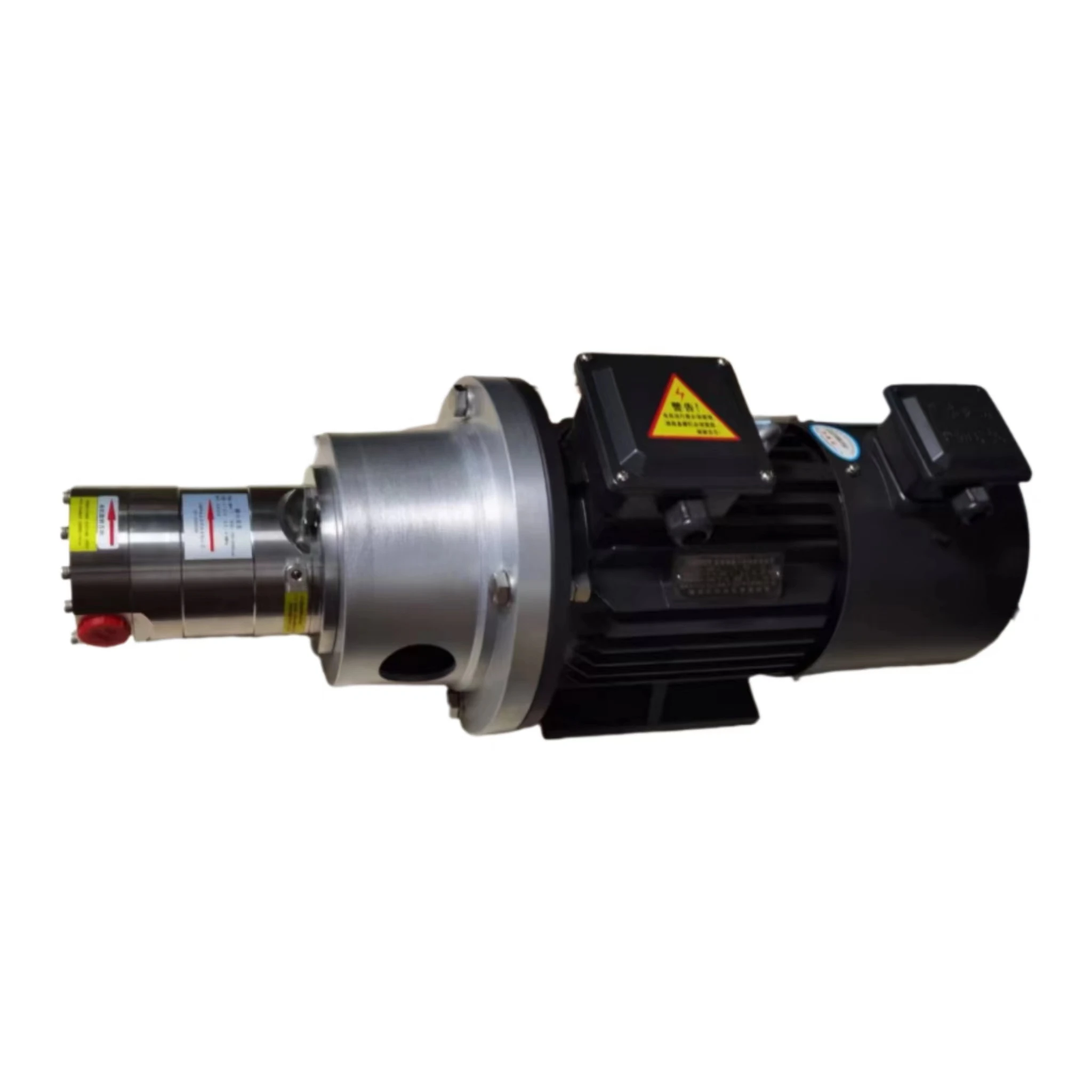
Reverse osmosis is one method and uses a membrane (a special filter). This membrane allows water to flow through but prevents salt and other impurities from passing. It’s like a very, very small sieve, allowing water molecules to pass through but leaving the salt and other unwanted things behind. The second, multi-stage flash, is a little different. It heats the seawater until it boils, producing steam, and then cools it to generate fresh water. These two techniques can generate significant quantities of drinking water, particularly for residents of arid regions or the coast, where fresh water is scarce.
Reverse osmosis is one of the most popular of the two methods. This is because its operation is cheaper and energy efficient. It can generate high-quality drinking water in a very short amount of time, and doesn’t produce much waste. The multi-stage flash method, by contrast, is costly and energy-intensive, so it produces more waste in the process. But it is highly efficient when used with seawater with a large number of impurities. Both approaches offered benefits, and understanding these enables us to comprehend how to optimize our usage of these successful technological advancements.
It has a lot of benefits of seawater desalination. This provides clean drinking water for communities with insufficient supplies of freshwater, one of its biggest benefits. It could have a major impact on the lives of a lot of people. Moreover, this technology will also create jobs and improved economy in such areas. In addition, it aids in making communities stronger and more resilient to droughts and the impacts of climate change. It also means these communities can have access to the water they need, even during periods of low rain or water availability.
However, seawater desalination does bring some challenges. A key problem is that it is power hungry, and thus expensive to run. Environmental issues are also on the table to consider. When desalination plants run, for example, they leave behind a very salty waste called brine. MSW Recycling Industry in China—MSW remains a significant waste stream and is toxic to marine ecosystems. The disposal of this waste must be conducted responsibly due to its potential to harm marine life and ecosystems. Only then will seawater desalination be a sustainable solution available for all, and we have to find good solutions to the challenges we face.
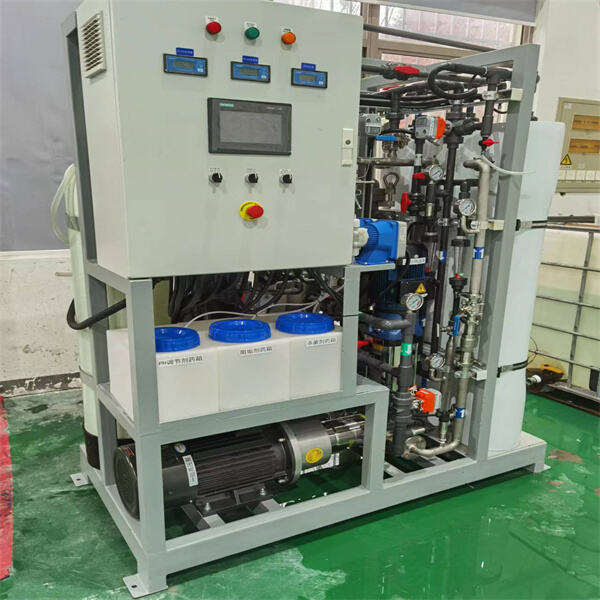
Scientists and engineers have been making persistent efforts to enhance desalination from seawater to ensure that it is efficient and sustainable. Another novel concept is powering desalination plants with renewable energy sources, like wind and solar. By utilizing these clean energy sources, we mitigate pollution and decrease our dependence on fossil fuels, all of which benefits our planet.
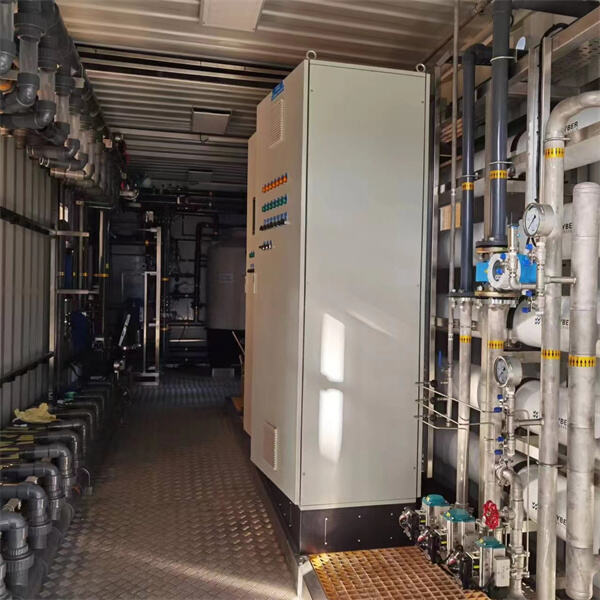
The economic and environmental effects of sea water desalination are beneficial and harmful. The bright side, it spawns jobs and economic development in water-short areas. This can improve the quality of life for large number of people. But constructing and operating desalination plants can also harm coastal ecosystems and wildlife. It can also create greenhouse gas emissions in the process, which is not so good for Mother Nature.
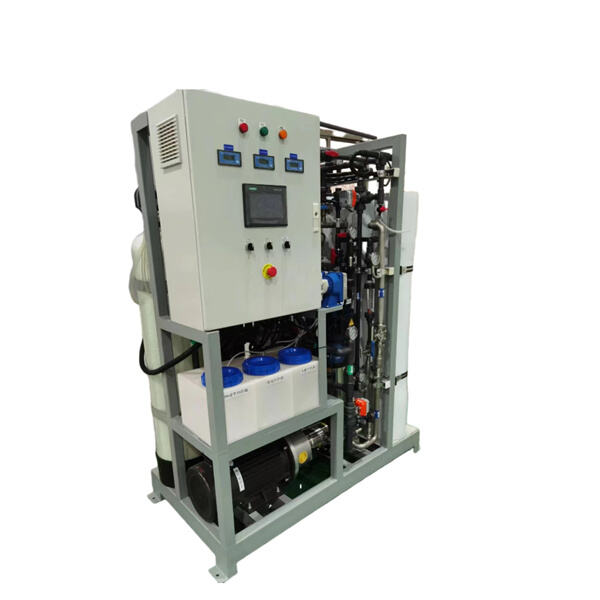
Coordinated rules and practices that promote responsible seawater desalination are essential to mitigate these adverse effects. This includes, in particular, finding solutions to how we minimize waste and greenhouse gas emissions; to protect marine ecosystems; ensuring safe and affordable drinking water for all communities. This way, we can ensure desalination is viable for people and the planet.
Your satisfaction doesn't end when you purchase our product; it's just the beginning. We prioritize your needs above all else and offer round - the - clock, all - encompassing after - sales services. Whether you're grappling with a product - related issue or in need of technical assistance, our highly trained and responsive team is just a call or an email away. We're committed to forging lasting relationships with our customers, ensuring that you can use our products with complete peace of mind.
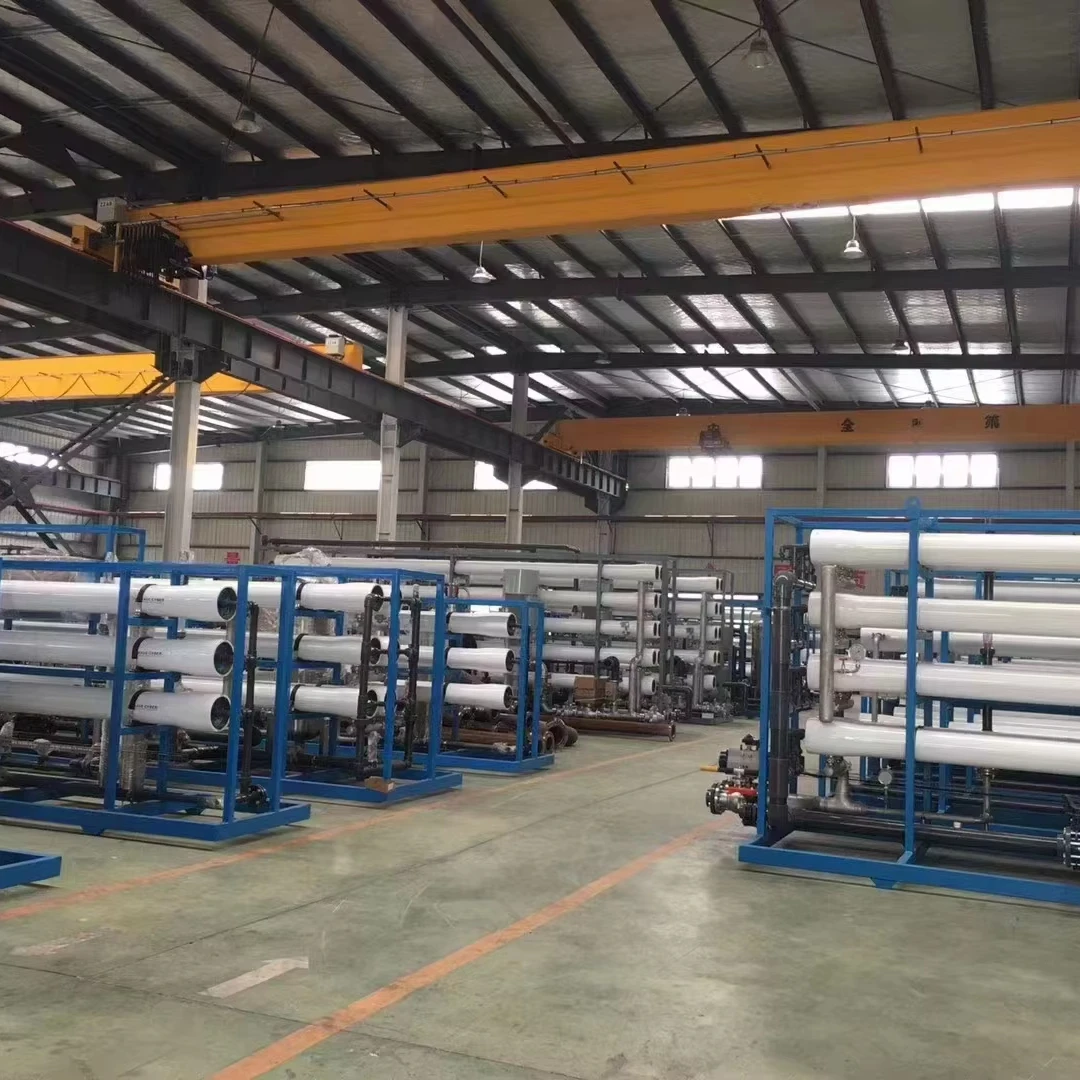
The company integrates research and development, production, sales, demonstration and promotion of integrated seawater desalination technology, and has 20 sets of automation, intelligent production, testing, inspection and other equipment. It is a provincial demonstration intelligent workshop
The management team of Sihe Biotechnology (Jiaxing) Co., Ltd. is composed of technical personnel with years of experience in the water treatment industry, senior engineers from foreign companies, outstanding personnel with experience in research institutes and large domestic environmental engineering companies. The company prioritizes the cultivation of human and technical resources, with the core being the establishment of an excellent service management team that adapts to the competition in the domestic water treatment market
The company follows strict standards and processes in quality control to ensure that every piece of equipment meets international quality requirements. We have a professional quality assurance team that conducts meticulous testing and inspection of raw materials, assembly, processes, and other aspects to ensure that our products fully meet the requirements of the design documents and confirmed design drawings. At the same time, we invite customers to participate in the main stages of product production inspection and acceptance to ensure transparency and customer satisfaction.
Copyright © Sihe Biotechnology (Jiaxing) Co., Ltd All Rights Reserved | Privacy Policy | Blog
 EN
EN