
 EN
EN
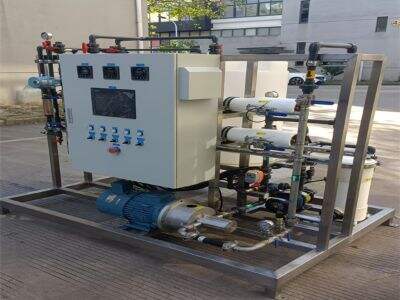
Industrial Reverse Osmosis Systems are a necessity for any heavy-duty water filtration process. It does an essential job of making sure that water is clean and safe for many applications in industry. The equipment functions by filtering impurities out of water with a semi-permeable membrane that can be used in manufacturing, agriculture and other industries. These general benefits of using an Industrial reverse osmosis equipment is applicable across all businesses and helps them save money, increase productivity as well as contribute to environmental protection.
How Do Wholesale Water Treatment Industrial Reverse Osmosis Works?
Commercial Reverse Osmosis Systems operate under a process of reverse osmosis to strip particles and impurities from water. Through this process, water is squeezed through a semi-permeable membrane that allows only water molecules to pass through while preventing impurities such as salts, minerals, and other particles. The result is pure clean water, free of contaminants and suitable for use in a wide range of industries. This system uses ultra-violet technology and is ideal for large quantities of water and can be tailored to suit each industry. Through the use of Industrial reverse osmosis water equipment businesses are able to produce clean and contaminant free water supply which translates into enhanced product quality and better overall business performances.
Industrial Reverse Osmosis Equipment For Treating Water Benefits In Bulk
Industrial Reverse Osmosis Equipment offers a myriad of wholesale advantages for water treatment. Perhaps the greatest benefit is that it saves money. With reverse osmosis systems for water treatment on-site, companies can minimize purchasing bottled water which is expensive or end dependence from an outside vendor for their clean water needs. That can mean substantial savings in the long run, and better bottom line results. Furthermore, Industrial ro reverse osmosis equipment also plays an important role to help firms comply with environmental laws providing water that is treated and reused in a responsible way. This will help lower the company's environmental footprint and improve its identity as a good corporate citizen. In conclusion, the numerous benefits associated with Industrial Reverse Osmosis Equipment for water treatment are not limited to its own operations but they can have a profound effect on how a company does business and cares for the environment.
Why Industrial Reverse Osmosis Systems Are Best for Water Treatment at Scale?
The manufacturer of industrial reverse osmosis equipment, such as those supplied by SIHE can be key for large scale water treatment in several ways. One major advantage is their efficiency in cleaning the water from pollutants. The systems employ something called reverse osmosis, which is essentially driving water through a semi-permeable membrane to filter salt and impurities such as chemicals, minerals and bacteria. This guarantees the quality of treated water which is suitable for drinking or industrial use. Furthermore, industrial scale reverse osmosis units are capable of processing large amounts of water very quickly and efficiently, which is necessary for larger water treatment plants that must treat significant quantities of water every day.
Key Features You Need to Know when selecting industrial reverse osmosis systems for water treatment
When choosing industrial reverse osmosis equipment for your large scale water treatment, there are several key features that have to be taken into consideration. Here are the most important considerations when designing a water treatment system for your facility: Capacity: The first thing to keep in mind when designing an RO system is that it needs to be matched with capacity. Moreover, the appropriate choice of membrane material in the system, used is also crucial as it affects directly the filtration efficiency. Seek systems with good quality membranes that are sturdy and last. Important considerations should include energy efficiency, clear maintenance paths and potential for automation ensuring performance with less downtime.
Table of Contents
- How Do Wholesale Water Treatment Industrial Reverse Osmosis Works?
- Industrial Reverse Osmosis Equipment For Treating Water Benefits In Bulk
- Why Industrial Reverse Osmosis Systems Are Best for Water Treatment at Scale?
- Key Features You Need to Know when selecting industrial reverse osmosis systems for water treatment