Desalination is the process that removes the salt and other undesirables from seawater. This ensures the seawater is clean and safe for human consumption. Desalination plants are essential in many parts of the world where there is a shortage of fresh water and drinking water to people in need. In this document, we are going to learn a bit more about what desalination is, how does it works, and we are also going to analyse the pros and cons of drinking desalinated water.
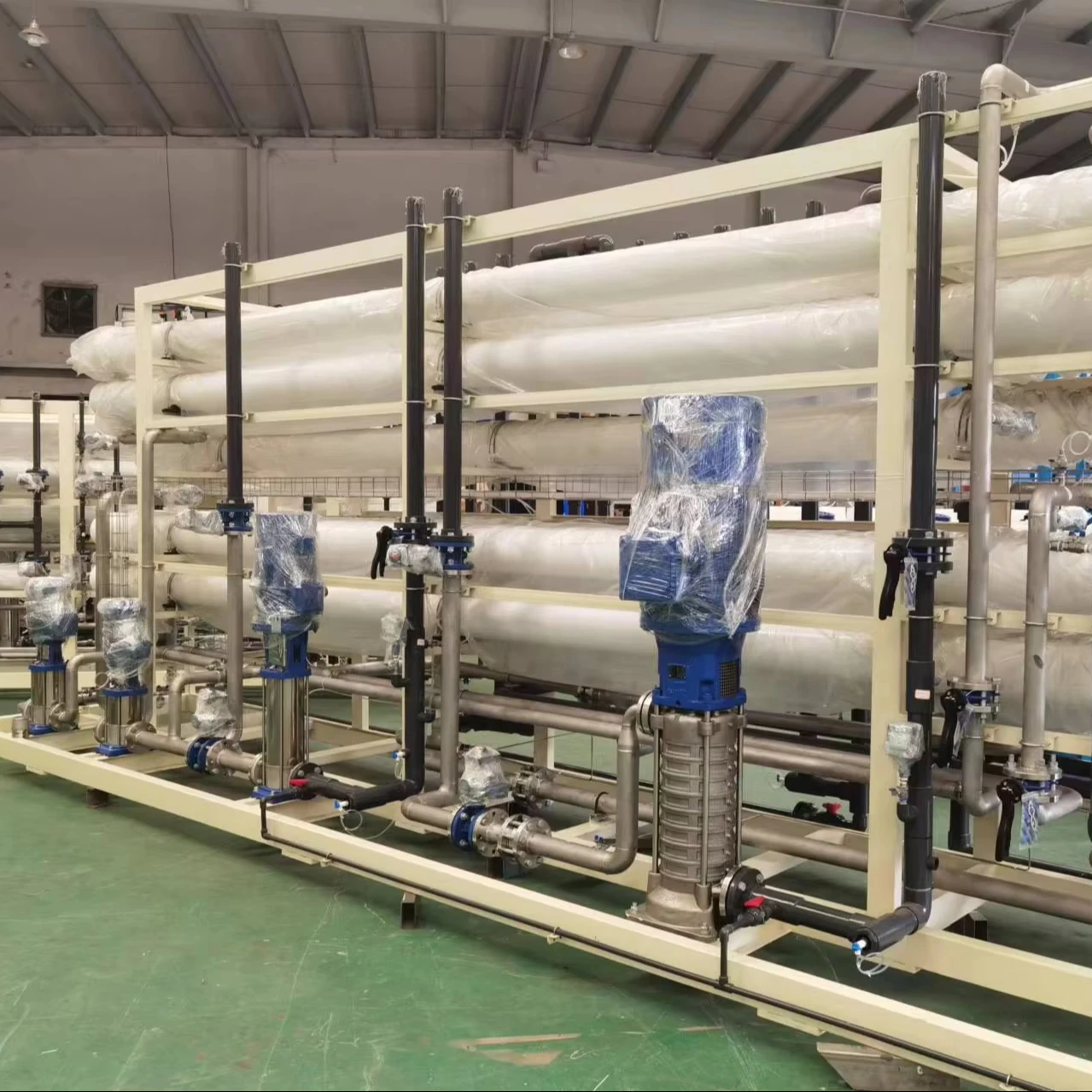
Reverse osmosis: This is the current most used way to reduce salt in seawater. In reverse osmosis, a membrane pushes seawater through a special filter. This eliminates salt and other undesired minerals. Clean water is then collected, and leftover salty water is typically dumped back into the ocean. Such a process is so effective that it is one of the more widely used methods in desalination plants.
Desalination by means of distillation: This is another method for purifying seawater. In distillation, seawater is heated until it evaporates into steam. Then the steam is cooled, and it condenses again back to water, but now it's fresh water, no salt. This process, though high priced in terms of energy consumption, makes it a more economically feasible method than reverse osmosis. Because of this, it is less often used for distillation.
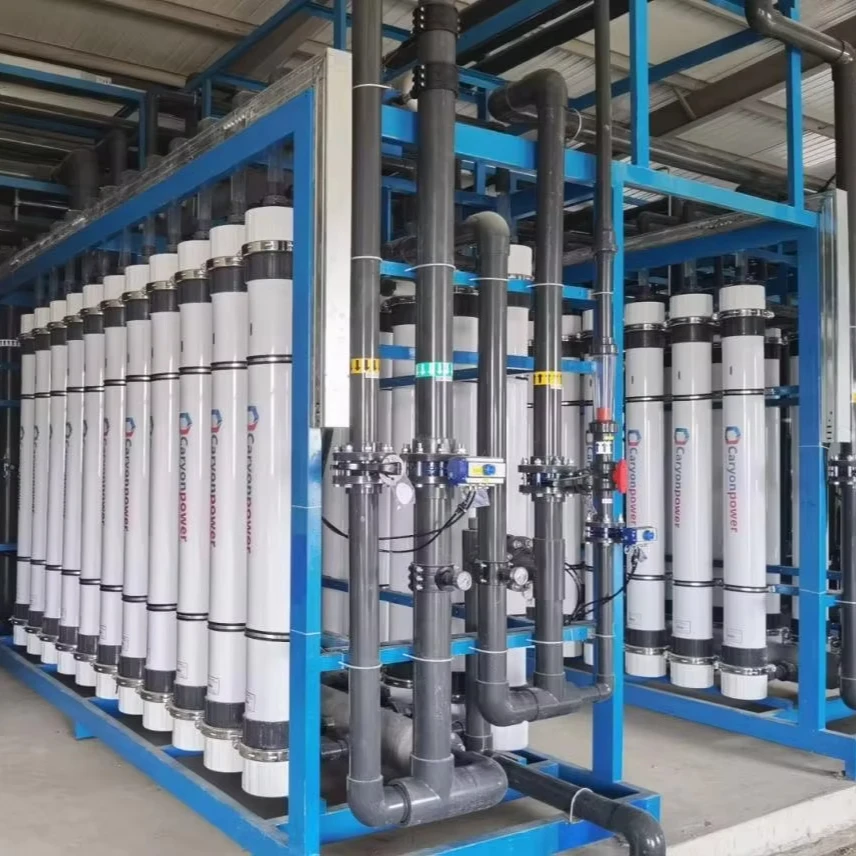
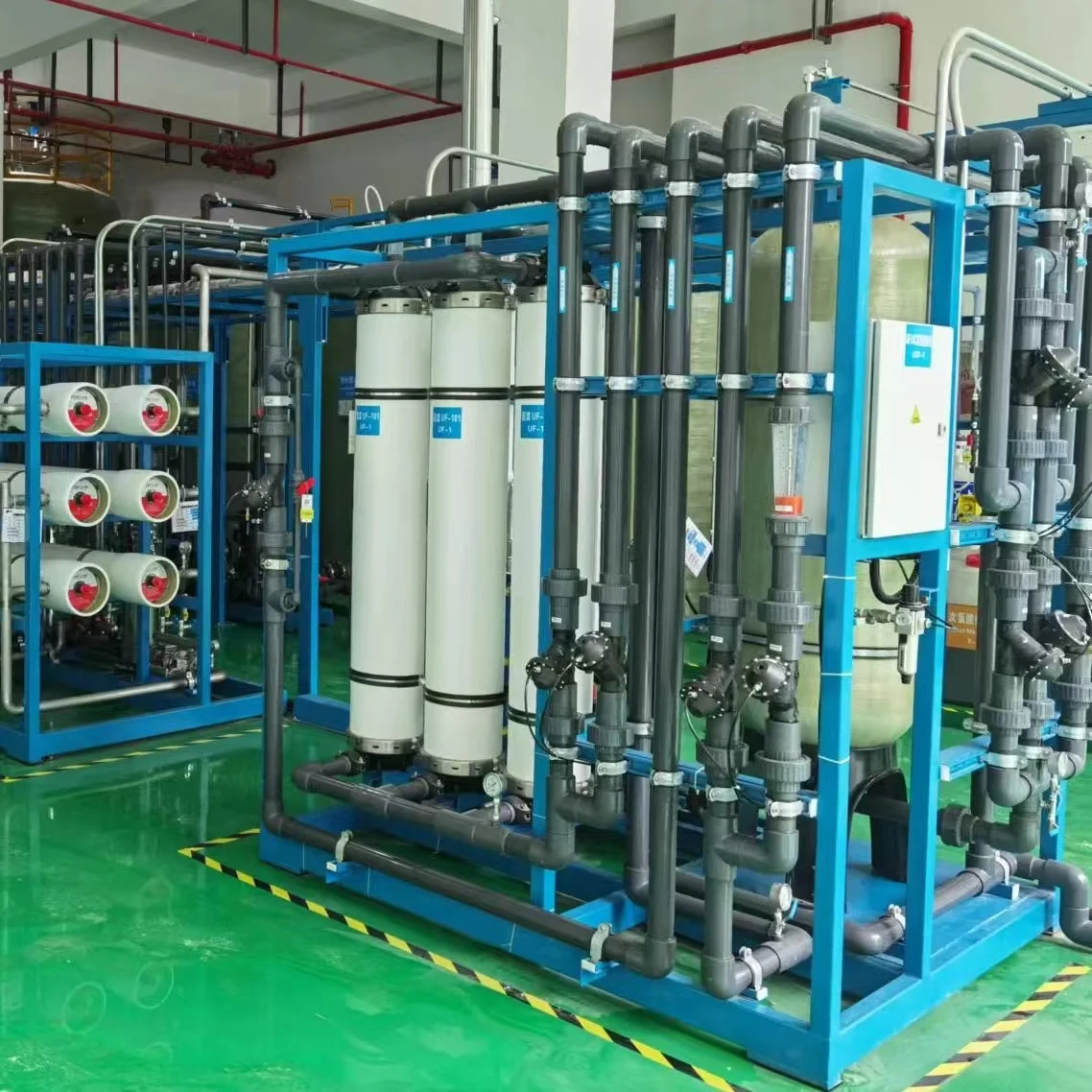
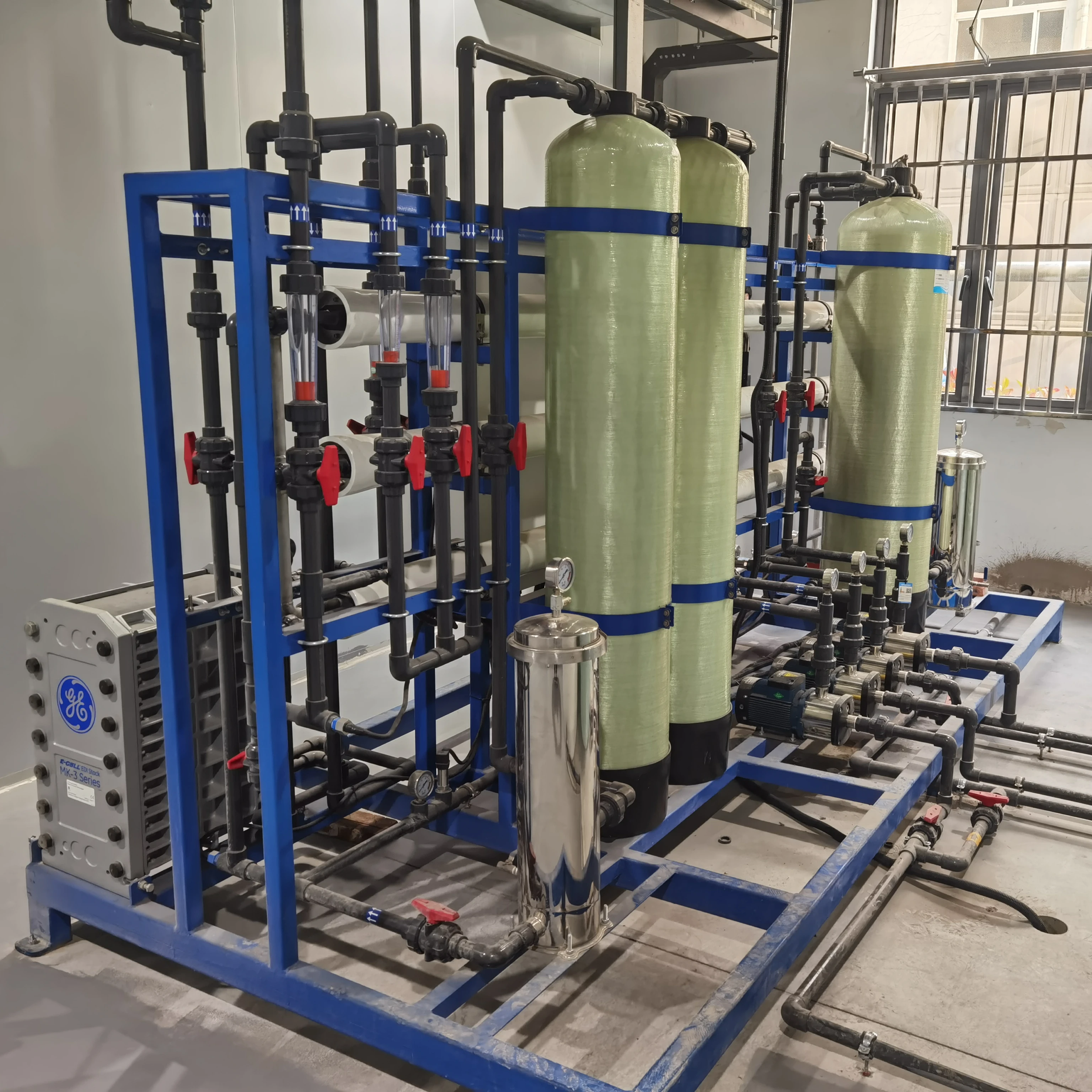
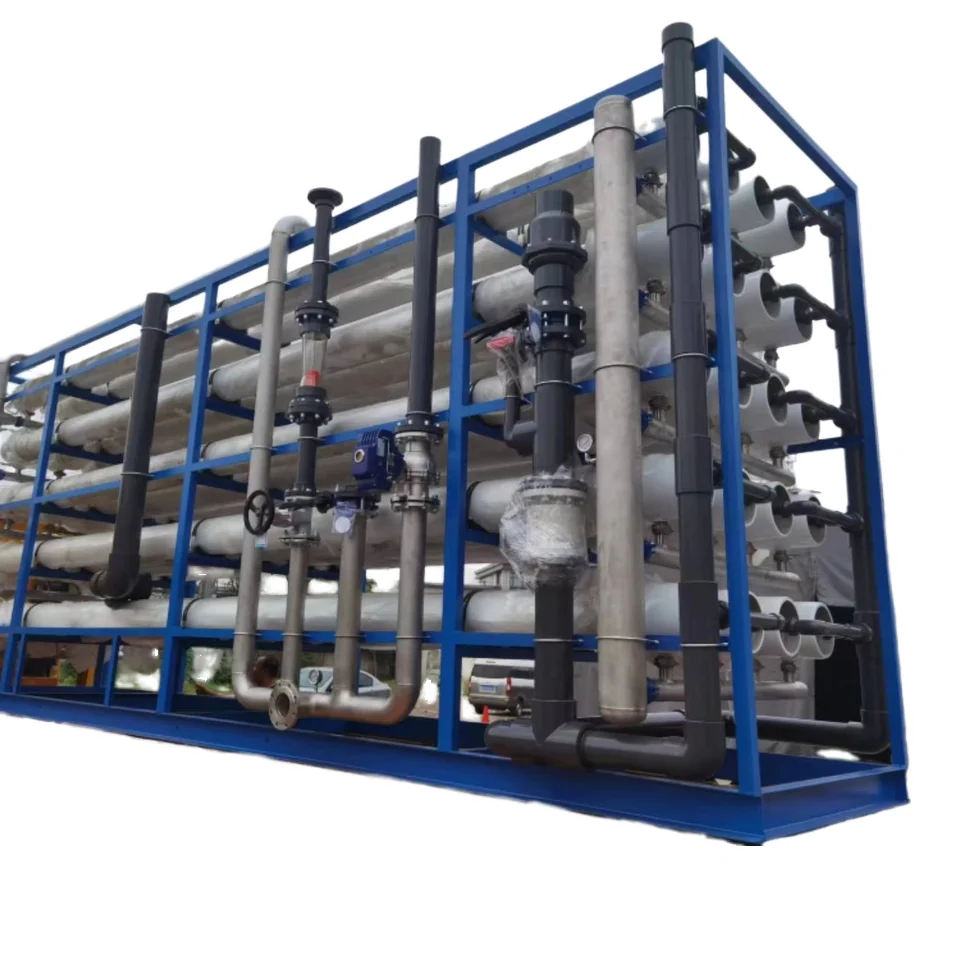
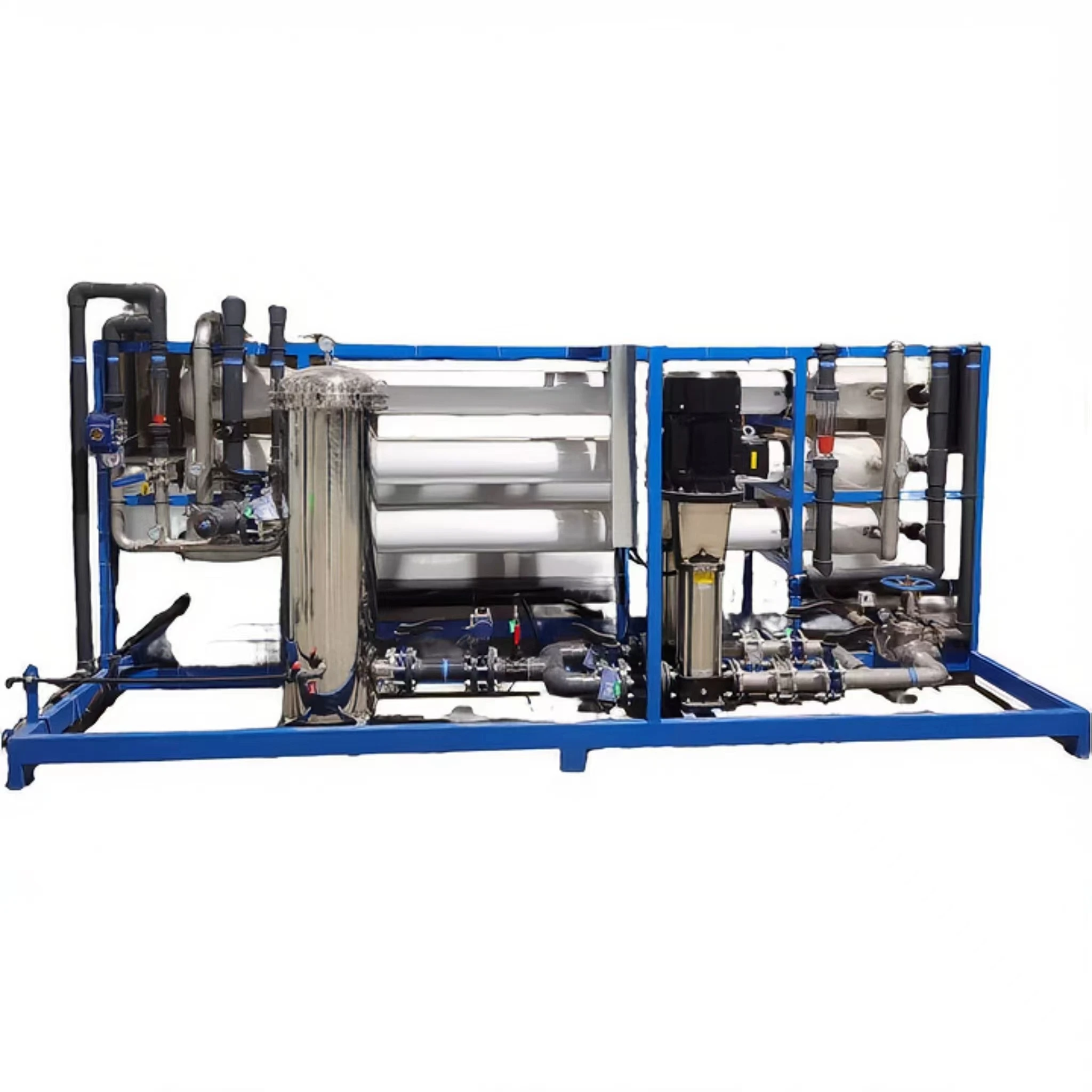
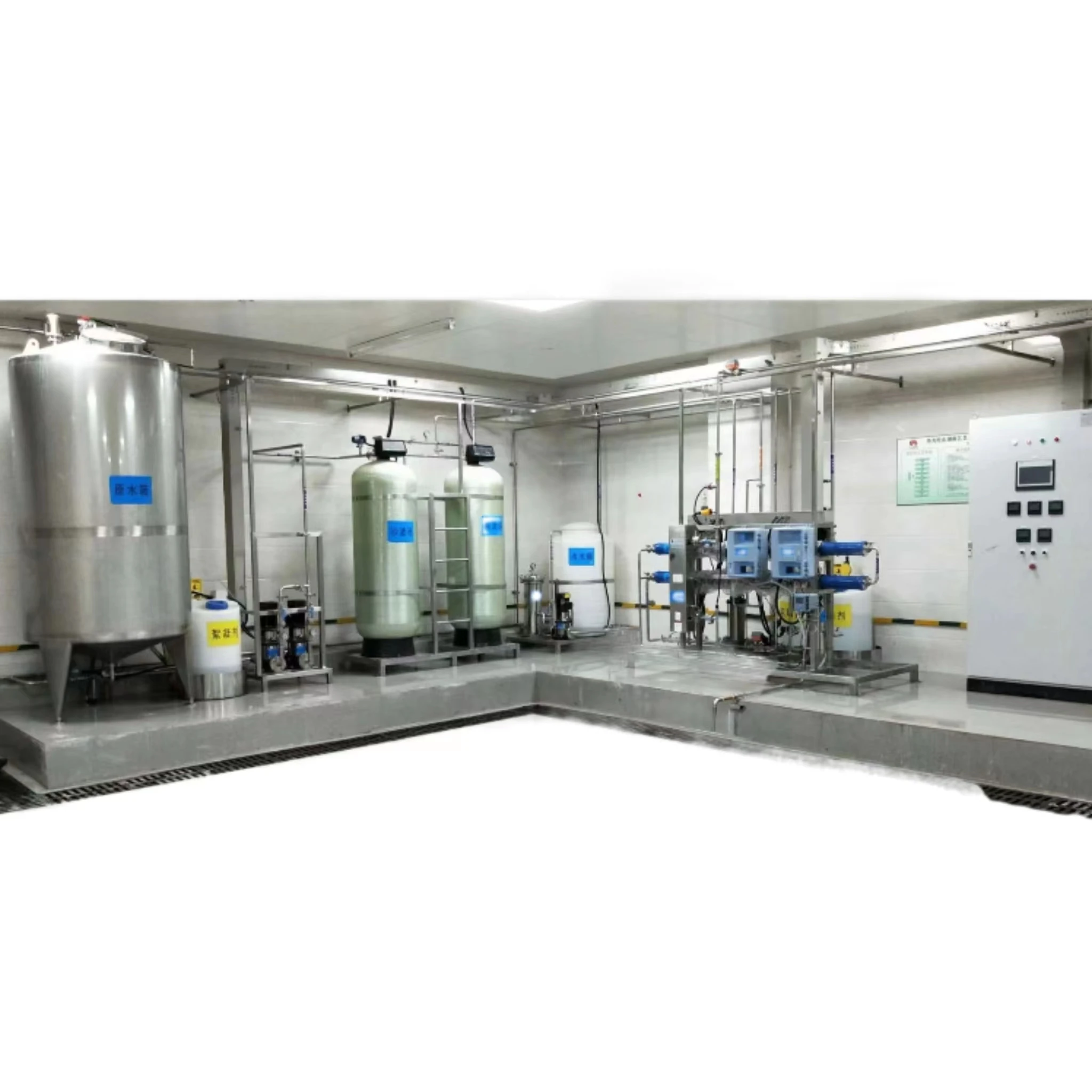
A desalination plant is made up of several components that work in synergy to produce potable water. These include various pumps, filters, and specialized membranes. First the seawater is filtered to remove dirt, algae, and other small particles. This is called pre-treatment. Once the seawater has been cleaned, the desalination process occurs using one of the four methods we discussed previously. There are different approaches to ensure that water is safe for drinking and each of them has its own pros and cons.
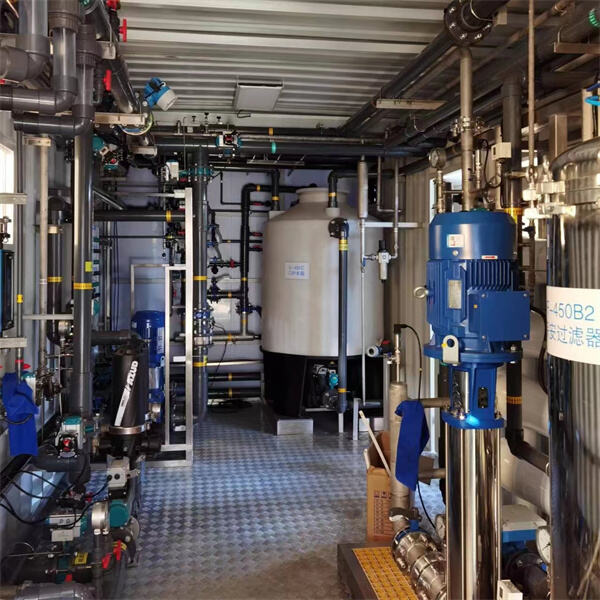
Reverse osmosis is the most common and widely used seawater desalination method. It is modern and works very well. Reverse osmosis has become cheaper and more efficient over the years. This process involves pumping seawater through large pumps, and forcing it through a semi-permeable membrane. This special filter permits only water molecules to flow through but not salt and minerals. The cleaned water collects on the other side, while the salty water left over — called brine — is typically released back into the sea. In conclusion, this relatively low-impact approach is boosting existing technologies that constantly get better.
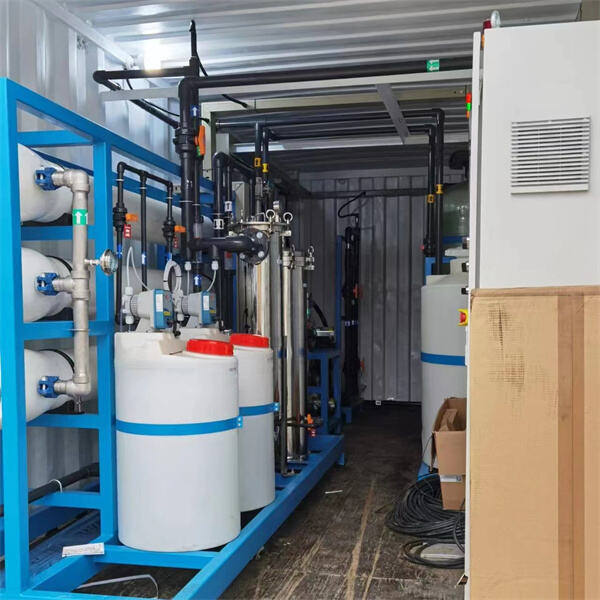
There are many benefits of desalination. For instance, it helps get another source of clean drinking water in the hands of people who really need it. It also contributes significantly to water used for agriculture and factories. Desalination can help relieve demand pressure on existing fresh water sources, enabling them to recover and remain healthy. Desalted water is clean and safe, which means that it is free from harmful chemicals and pollution that is present in other water sources.
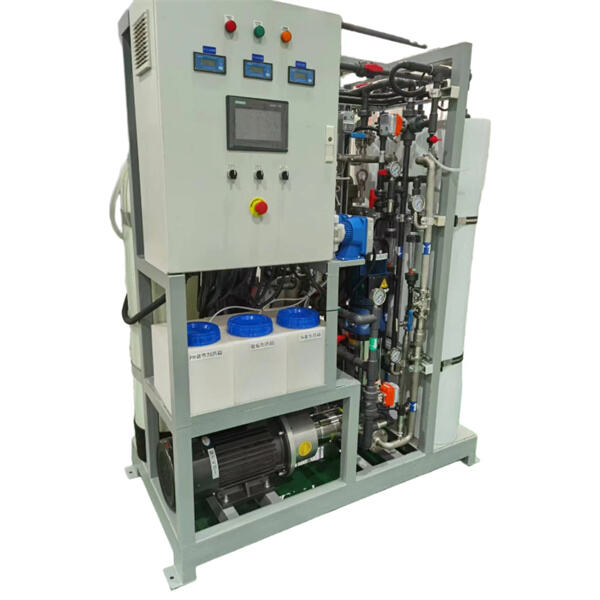
On the other hand, there are also some disadvantages of desalination. One of the primary issues is that the process consumes a large amount of energy, which can be costly. This frequently comes from fossil fuels, which are detrimental to the environment. Another concern of desalination is the brinethat it produces, a highly concentrated salty water. When this brine is pumped back into the ocean, it can occasionally be harmful to marine life and the ecosystem. Constructing a desalination plant also costs a lot of money and is not possible for many areas.
The company follows strict standards and processes in quality control to ensure that every piece of equipment meets international quality requirements. We have a professional quality assurance team that conducts meticulous testing and inspection of raw materials, assembly, processes, and other aspects to ensure that our products fully meet the requirements of the design documents and confirmed design drawings. At the same time, we invite customers to participate in the main stages of product production inspection and acceptance to ensure transparency and customer satisfaction.
Your satisfaction doesn't end when you purchase our product; it's just the beginning. We prioritize your needs above all else and offer round - the - clock, all - encompassing after - sales services. Whether you're grappling with a product - related issue or in need of technical assistance, our highly trained and responsive team is just a call or an email away. We're committed to forging lasting relationships with our customers, ensuring that you can use our products with complete peace of mind.
The management team of Sihe Biotechnology (Jiaxing) Co., Ltd. is composed of technical personnel with years of experience in the water treatment industry, senior engineers from foreign companies, outstanding personnel with experience in research institutes and large domestic environmental engineering companies. The company prioritizes the cultivation of human and technical resources, with the core being the establishment of an excellent service management team that adapts to the competition in the domestic water treatment market
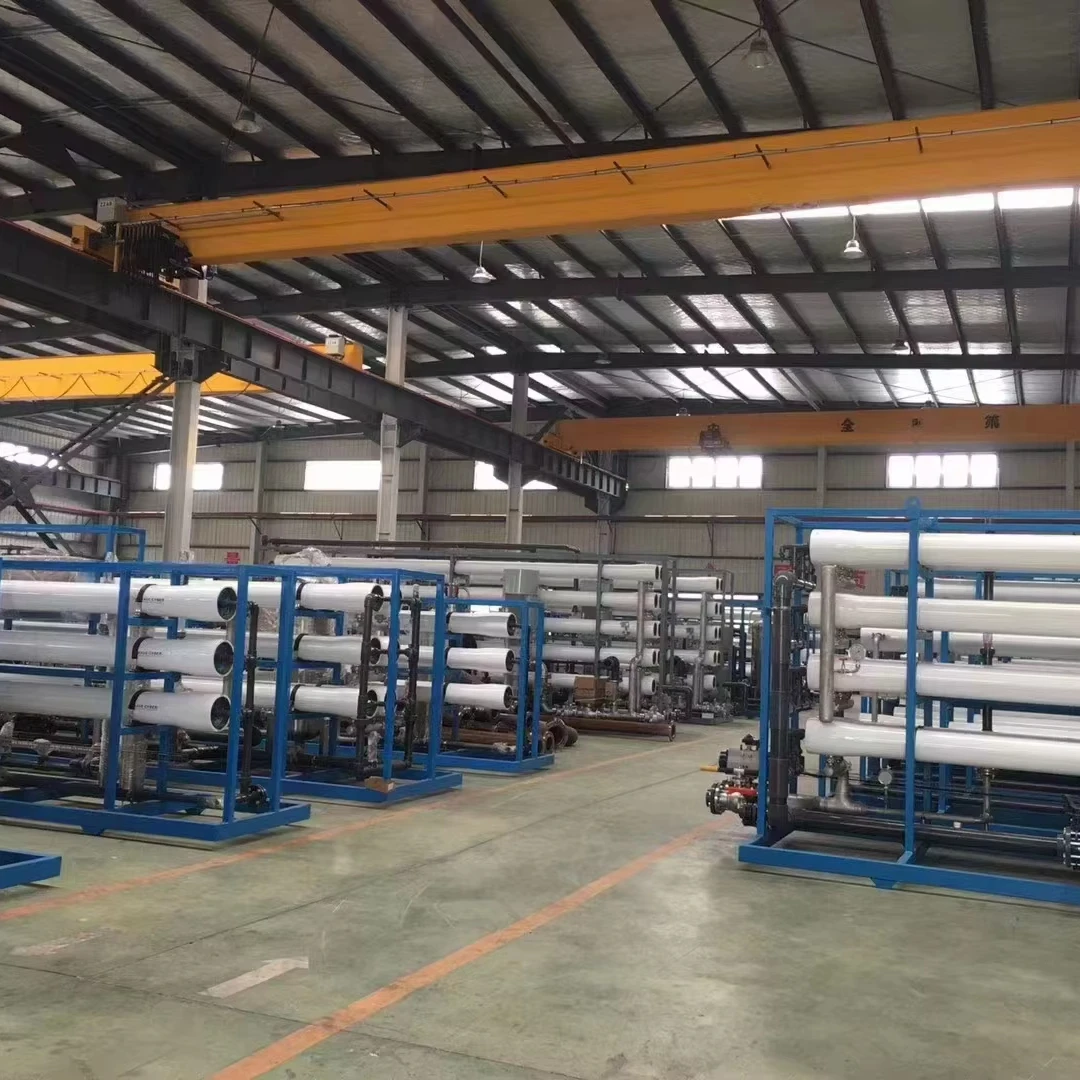
The company integrates research and development, production, sales, demonstration and promotion of integrated seawater desalination technology, and has 20 sets of automation, intelligent production, testing, inspection and other equipment. It is a provincial demonstration intelligent workshop
Copyright © Sihe Biotechnology (Jiaxing) Co., Ltd All Rights Reserved | Privacy Policy | Blog
 EN
EN