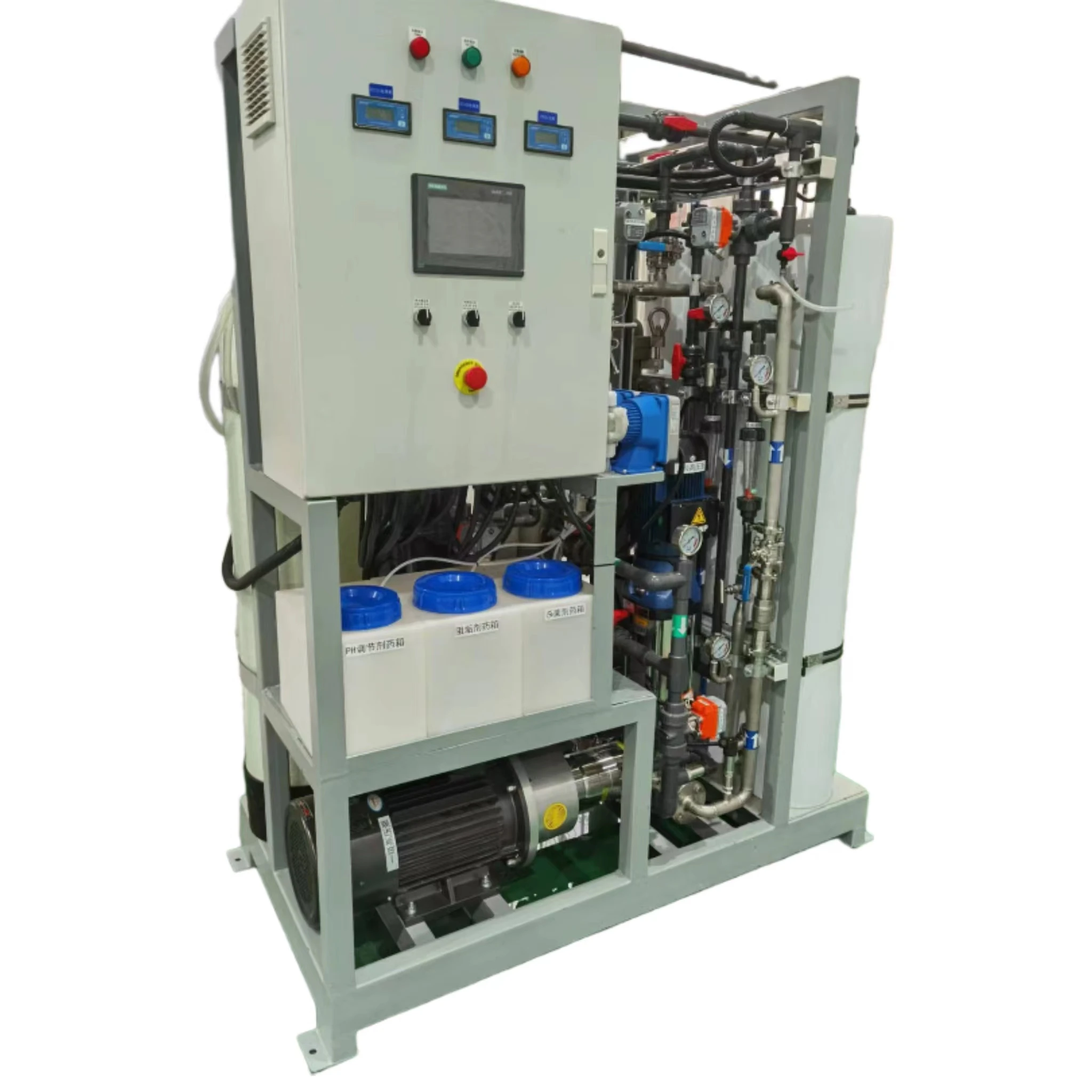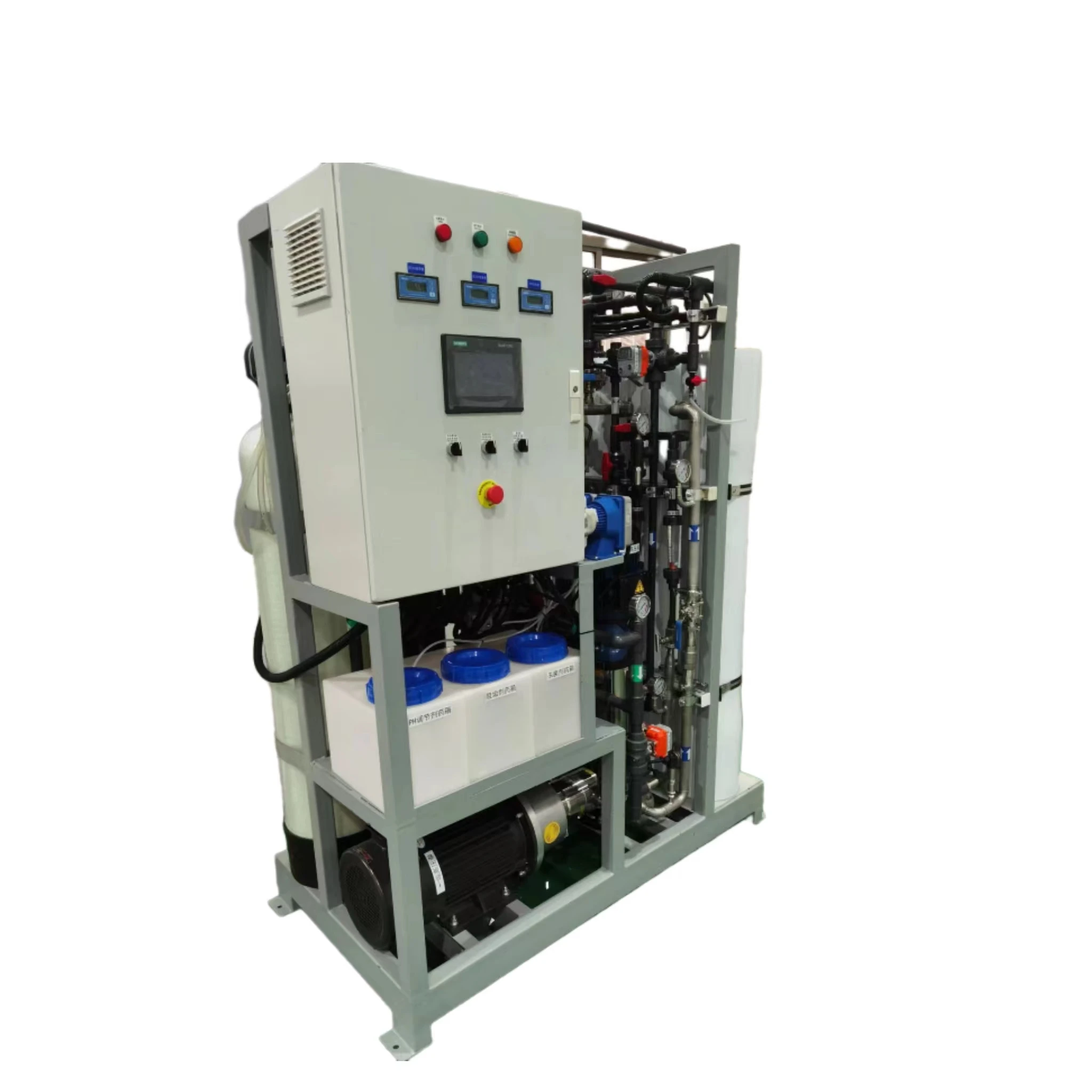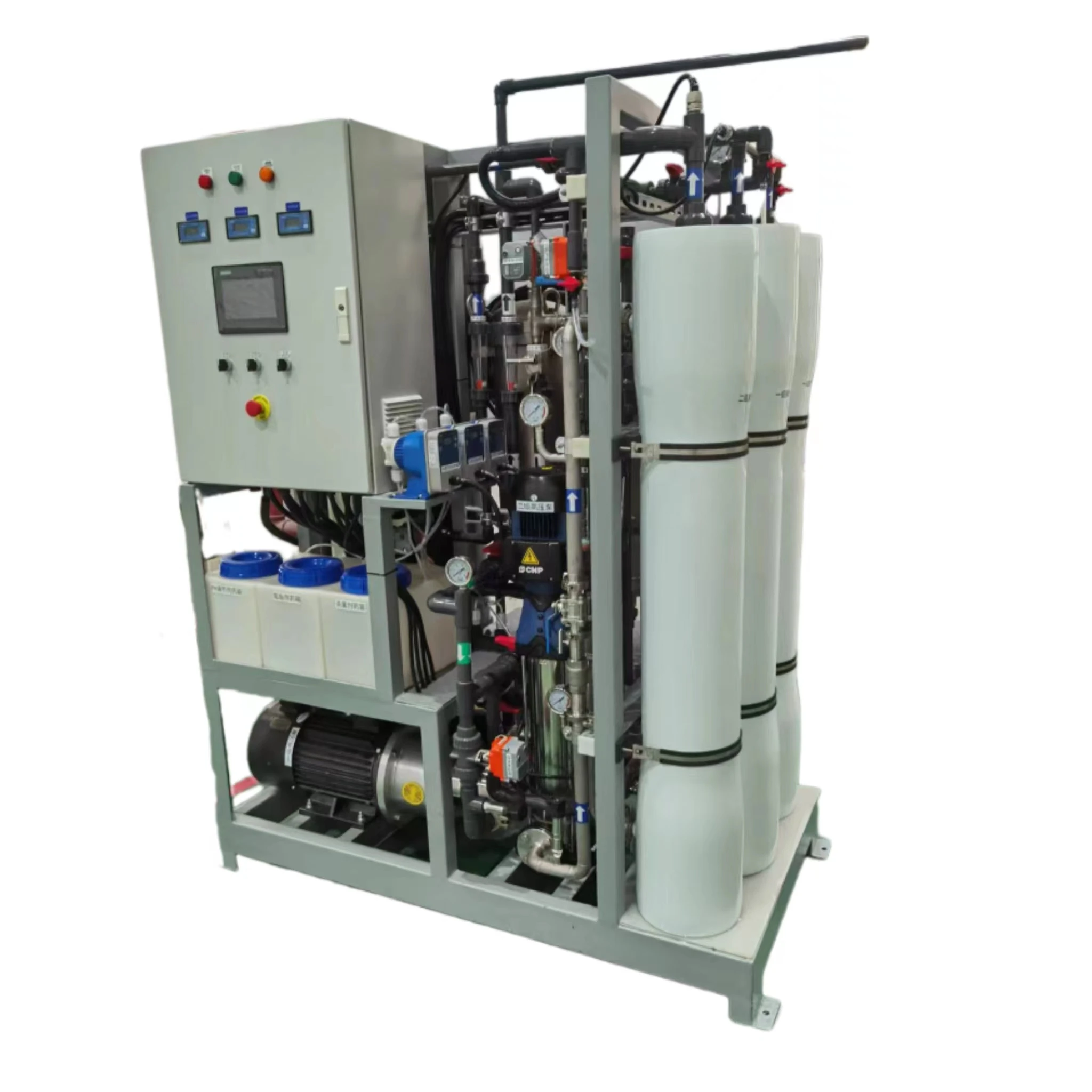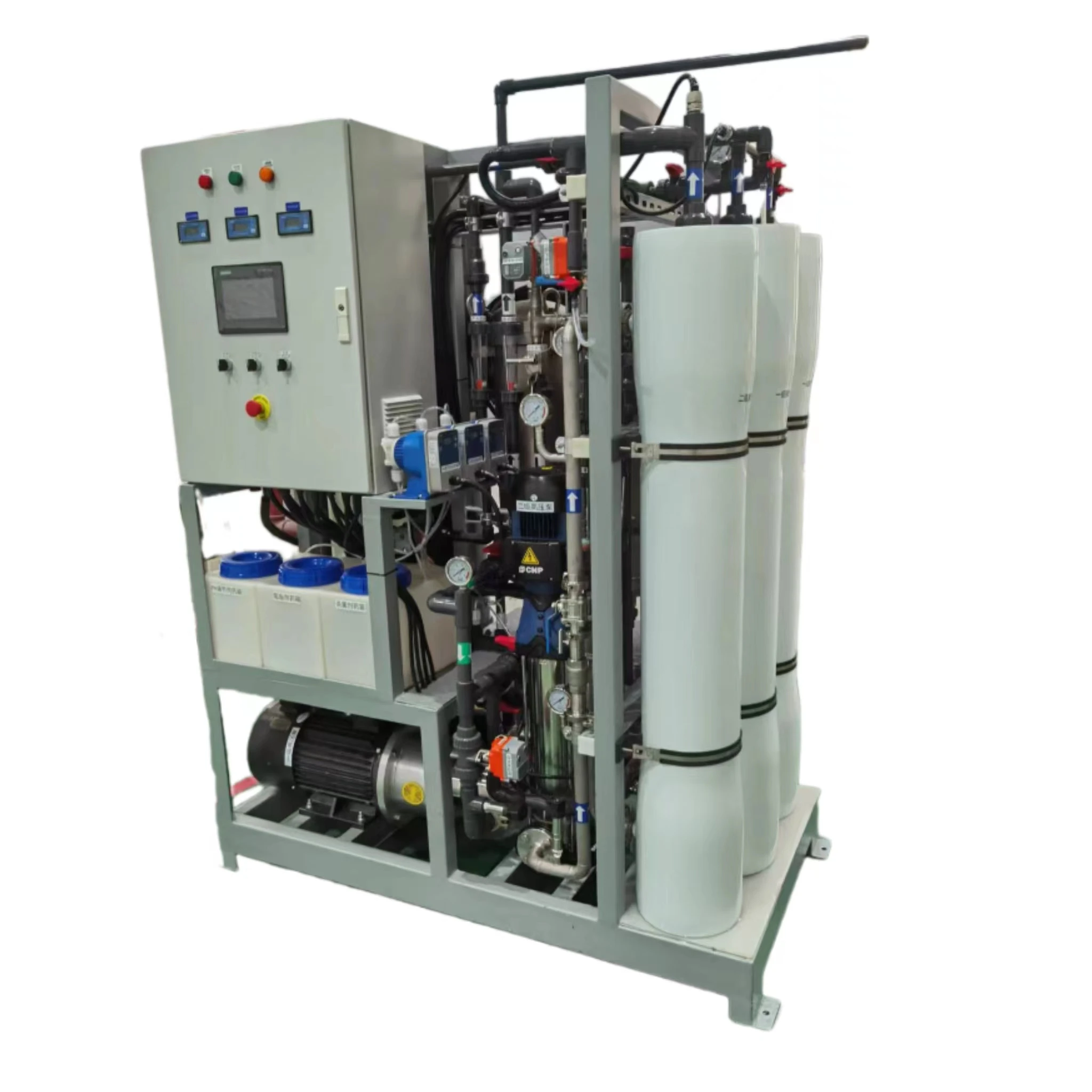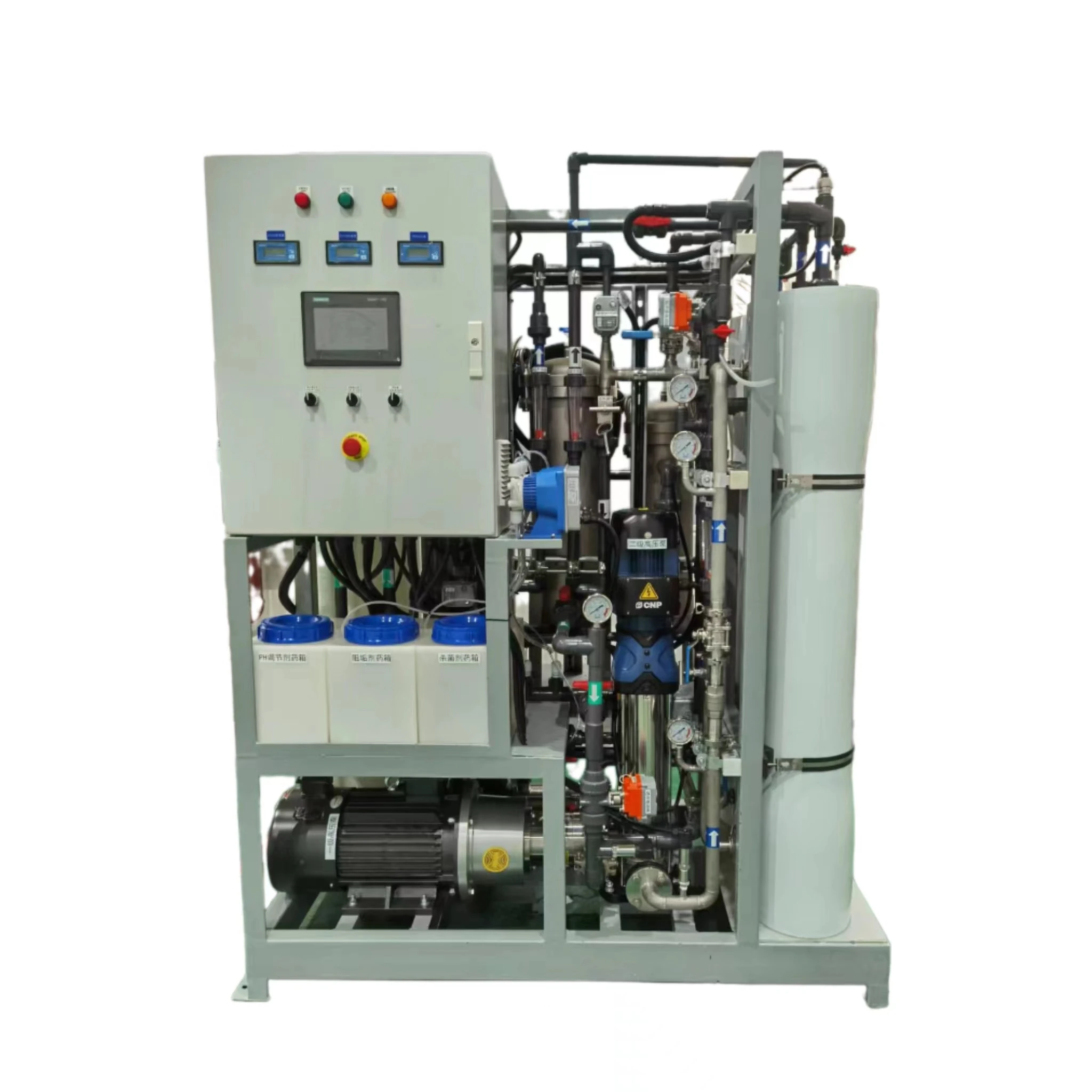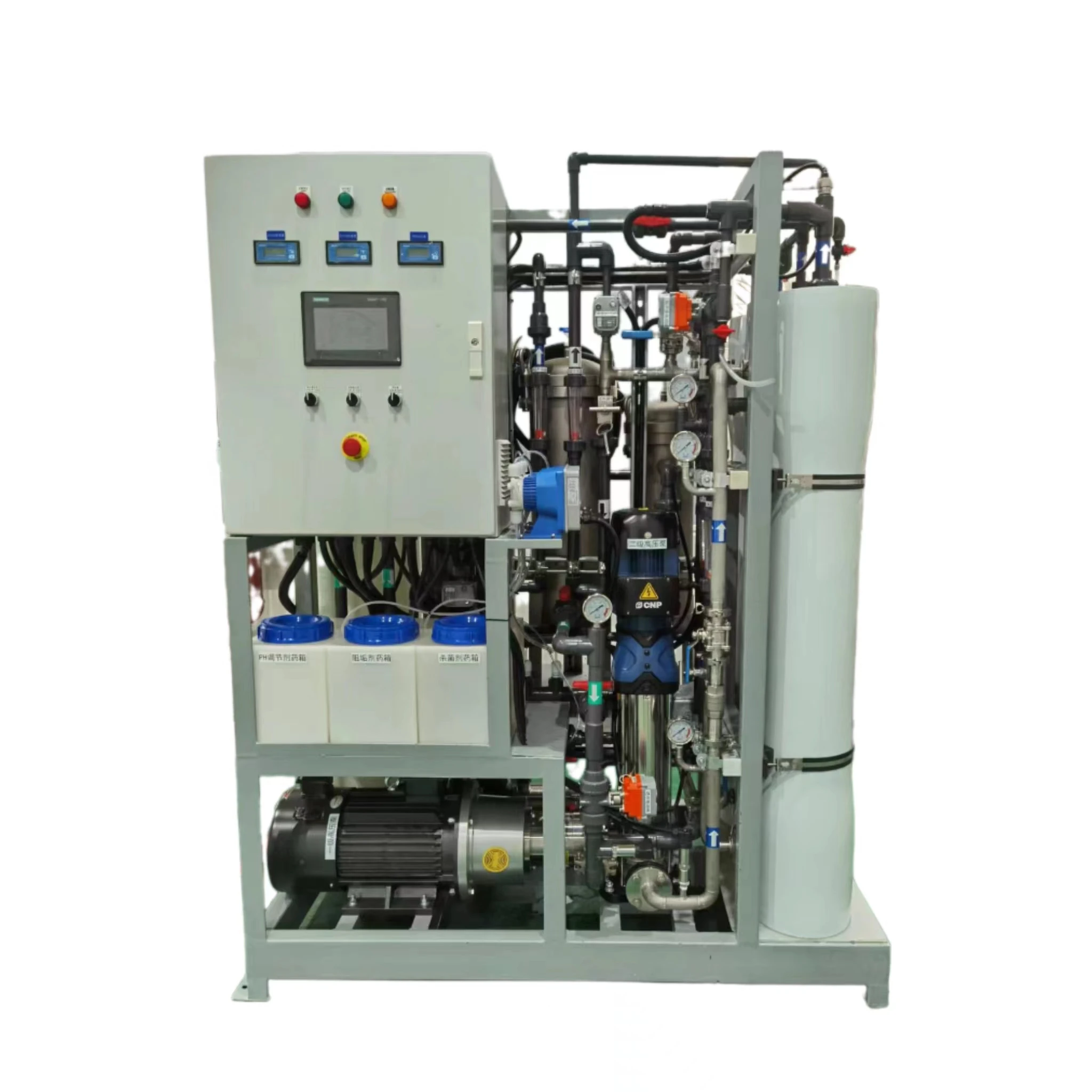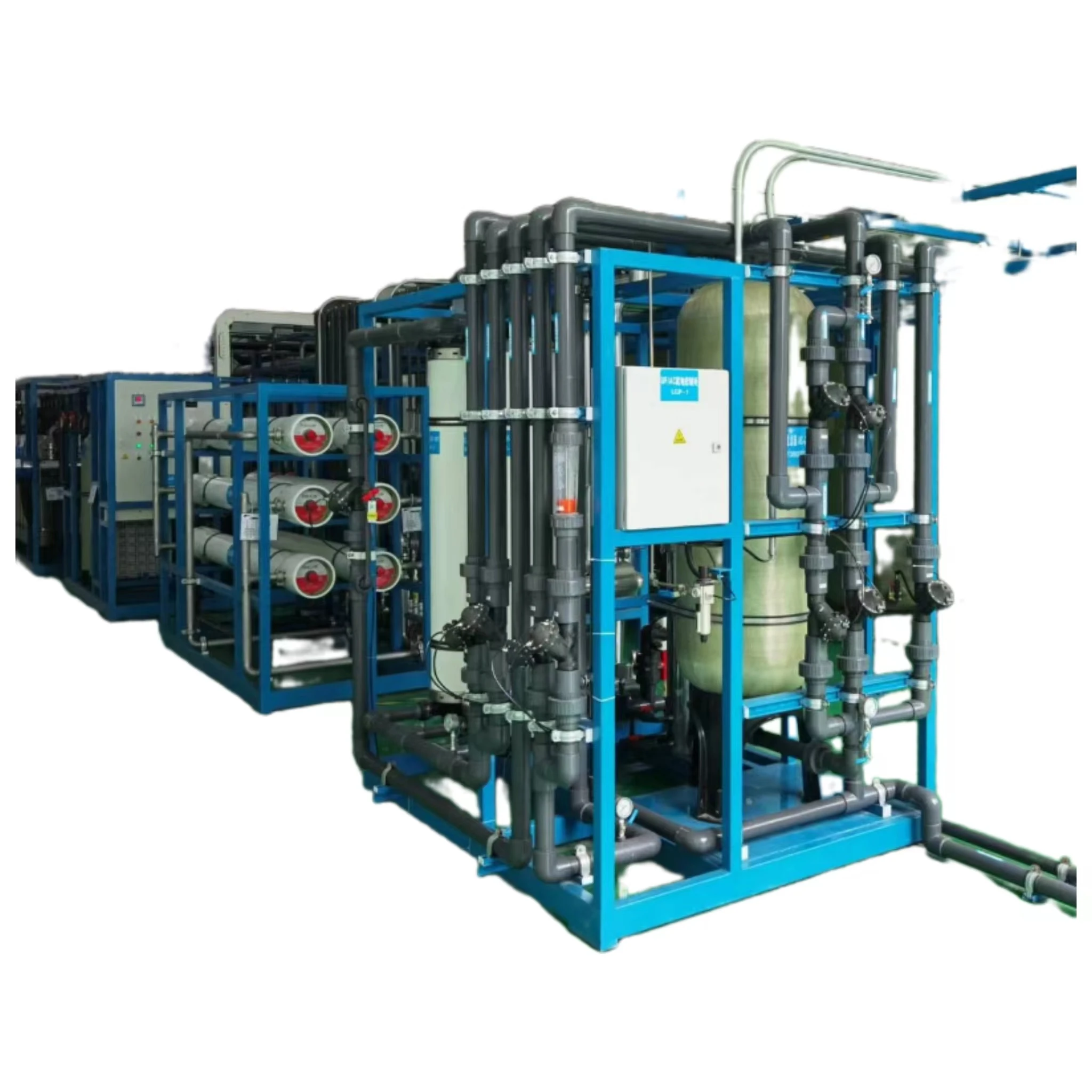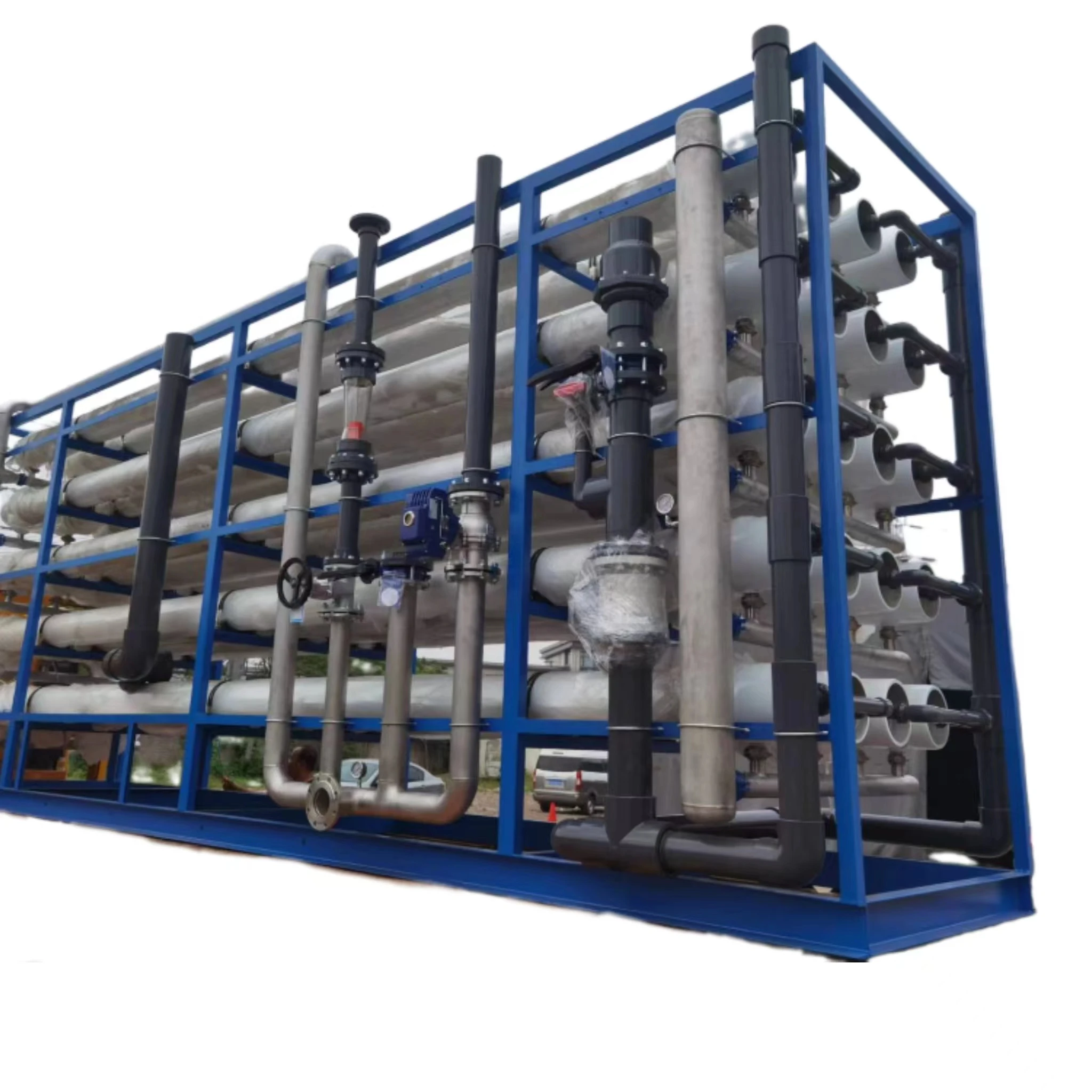
Desalination, to put it simply, is the process of removing salt and other minerals from seawater. This means that it is safe for consumption. Freshwater is required for a lot of things, including drinking, cooking, and cleaning. It was evident from there being looming water scarcity. Desalination can help ensure that water, which is why it’s so vital.
Desalination is not new, but it has become more prominent in recent years. Desalination used to be considered too expensive. They also found it overly complex to be practical for widespread use. But now, thanks to some new technology and inventions, we can produce fresh water from saltwater at much lower cost. However, the process can benefit more people and provide them with clean drinking water.
There are a few different methods to remove the salt from seawater, but two of the most common are referred to as reverse osmosis and distillation. So let’s start with reverse osmosis. Here, a membrane (a type of filter) is used to force water through. This filter captures the salt and other minerals and allows only clean water to emerge on the other side. We now turn our attention to distillation. This method uses boiling saltwater. When the water heats enough it evaporates into steam. This steam is gathered and subsequently condensed, reverting it to water – now it is potable and safe to drink!
The Benefits of Desalination for People and Communities It can provide people with a constant source of clean water, particularly in areas where water is scarce. People require clean water in order to be healthy, thus improving health and living conditions. Desalination also can spare our natural sources of freshwater — like fountains and lakes — by offering an alternative source of water.
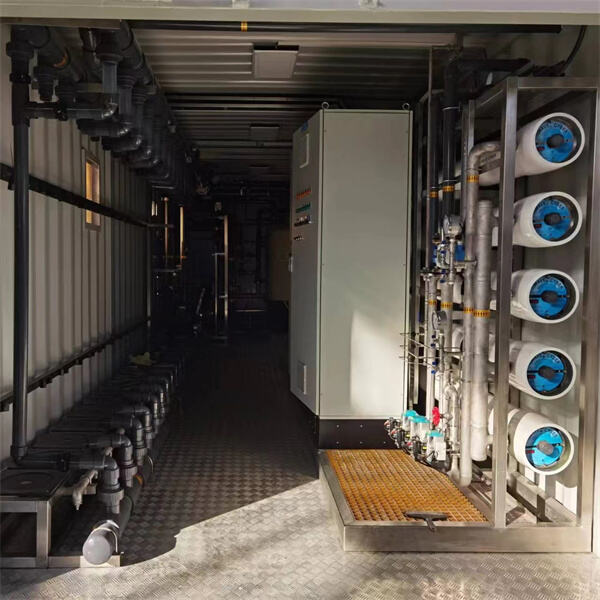
Desalination technology is constantly being improved, and many promising new concepts should encourage enhanced sustainability and environmental friendliness. For instance, scientists and researchers are developing new kinds of membranes that are more efficient at separating salt and other minerals from the water. Kheradmand, who aims to further improve the efficacy of the desalination plant cost. They are also considering the use of renewable energy, such as solar energy and wind energy, to the operation of desalination plants. This would mean that desalination might have less of a ruination on the natural world and use energy that is less harmful to the Earth.
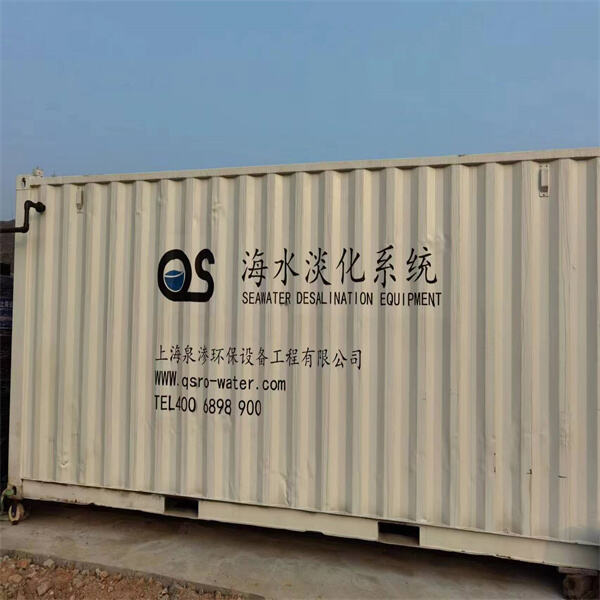
Desalination can be a big help to coastal communities. These are areas adjacent to oceans or seas in which people may find it difficult to access sufficient clean water. This in turn could lead to an improved quality of life for those living in these regions by providing a constant supply of freshwater via desalination. It can ensure families have sufficient water for drinking, cooking and even farming. This can also reduce some pressure on existing freshwater sources, a crucial step in conserving our natural resources.
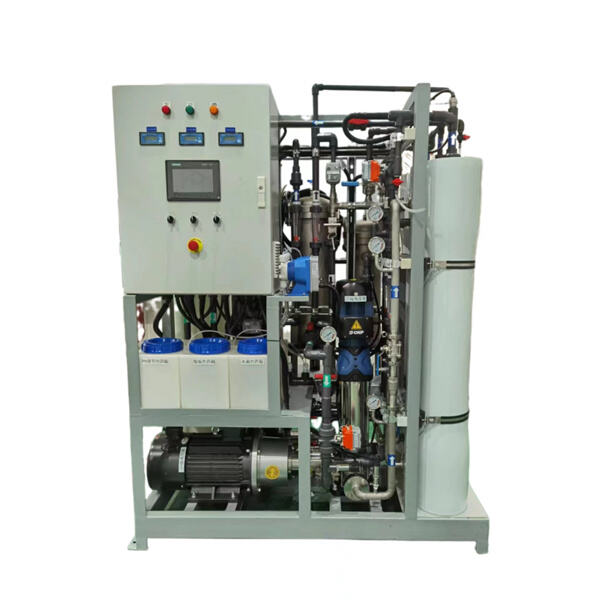
But we should also consider the challenges desalination can create. One problem is it can damage marine life. At the end of the desalination process, there remains leftover salty water, known as brine. If this brine isn’t handled correctly, it can be returned to the ocean, potentially damaging the ecosystems fish and other sea life inhabit. We must look for responsible ways to manage this brine so as not to harm our oceans.
The company integrates research and development, production, sales, demonstration and promotion of integrated seawater desalination technology, and has 20 sets of automation, intelligent production, testing, inspection and other equipment. It is a provincial demonstration intelligent workshop
The company follows strict standards and processes in quality control to ensure that every piece of equipment meets international quality requirements. We have a professional quality assurance team that conducts meticulous testing and inspection of raw materials, assembly, processes, and other aspects to ensure that our products fully meet the requirements of the design documents and confirmed design drawings. At the same time, we invite customers to participate in the main stages of product production inspection and acceptance to ensure transparency and customer satisfaction.
Your satisfaction doesn't end when you purchase our product; it's just the beginning. We prioritize your needs above all else and offer round - the - clock, all - encompassing after - sales services. Whether you're grappling with a product - related issue or in need of technical assistance, our highly trained and responsive team is just a call or an email away. We're committed to forging lasting relationships with our customers, ensuring that you can use our products with complete peace of mind.
The management team of Sihe Biotechnology (Jiaxing) Co., Ltd. is composed of technical personnel with years of experience in the water treatment industry, senior engineers from foreign companies, outstanding personnel with experience in research institutes and large domestic environmental engineering companies. The company prioritizes the cultivation of human and technical resources, with the core being the establishment of an excellent service management team that adapts to the competition in the domestic water treatment market
Copyright © Sihe Biotechnology (Jiaxing) Co., Ltd All Rights Reserved | Privacy Policy | Blog
 EN
EN