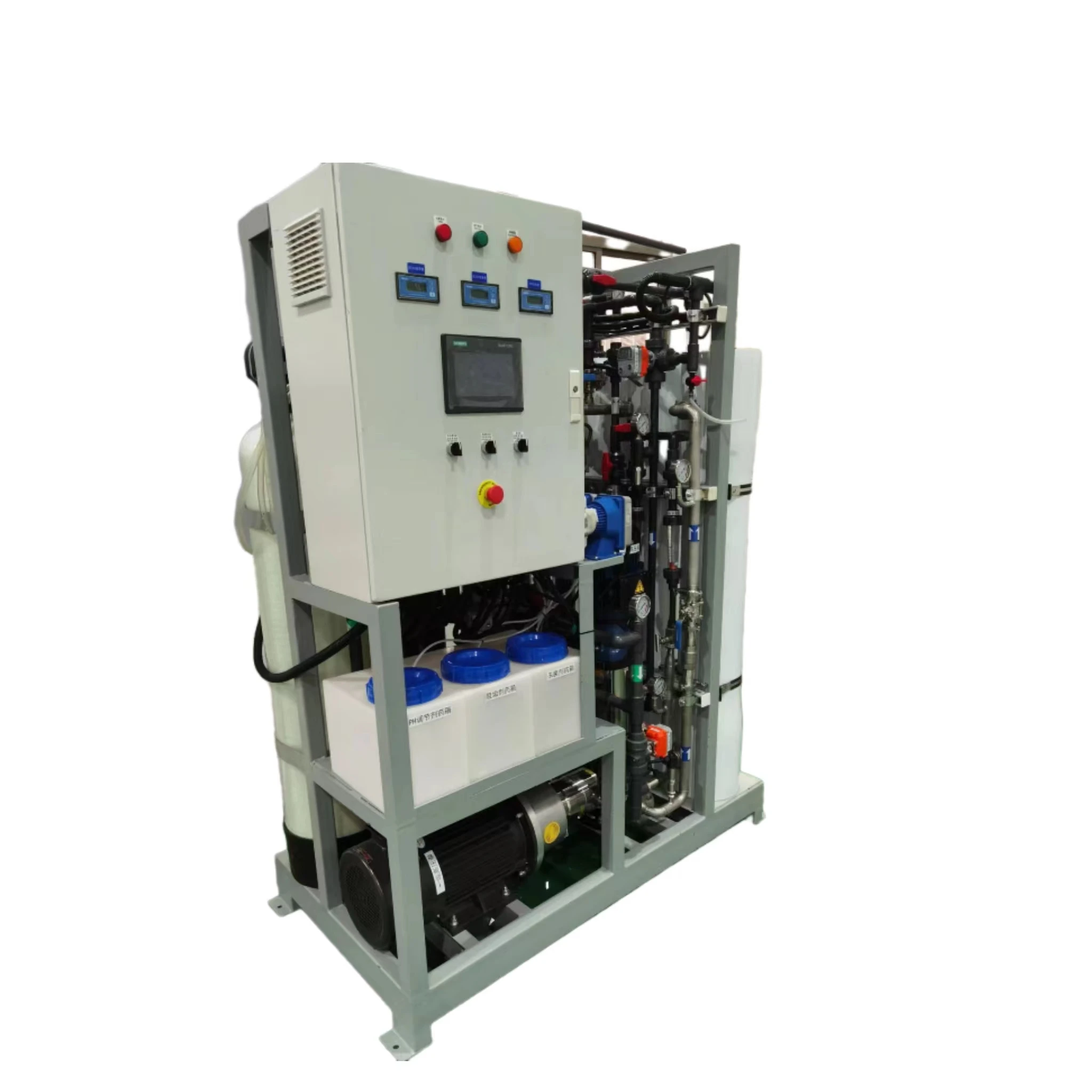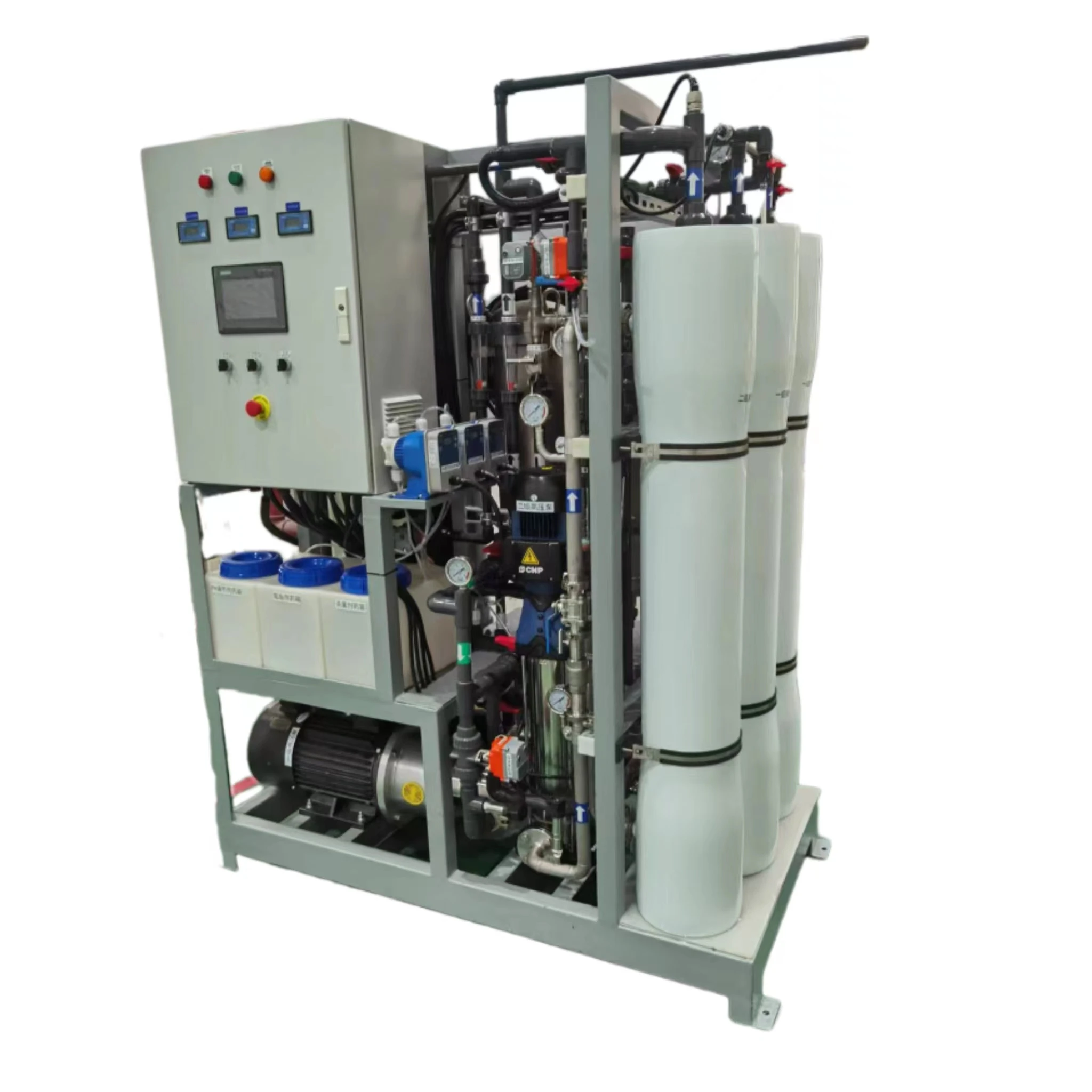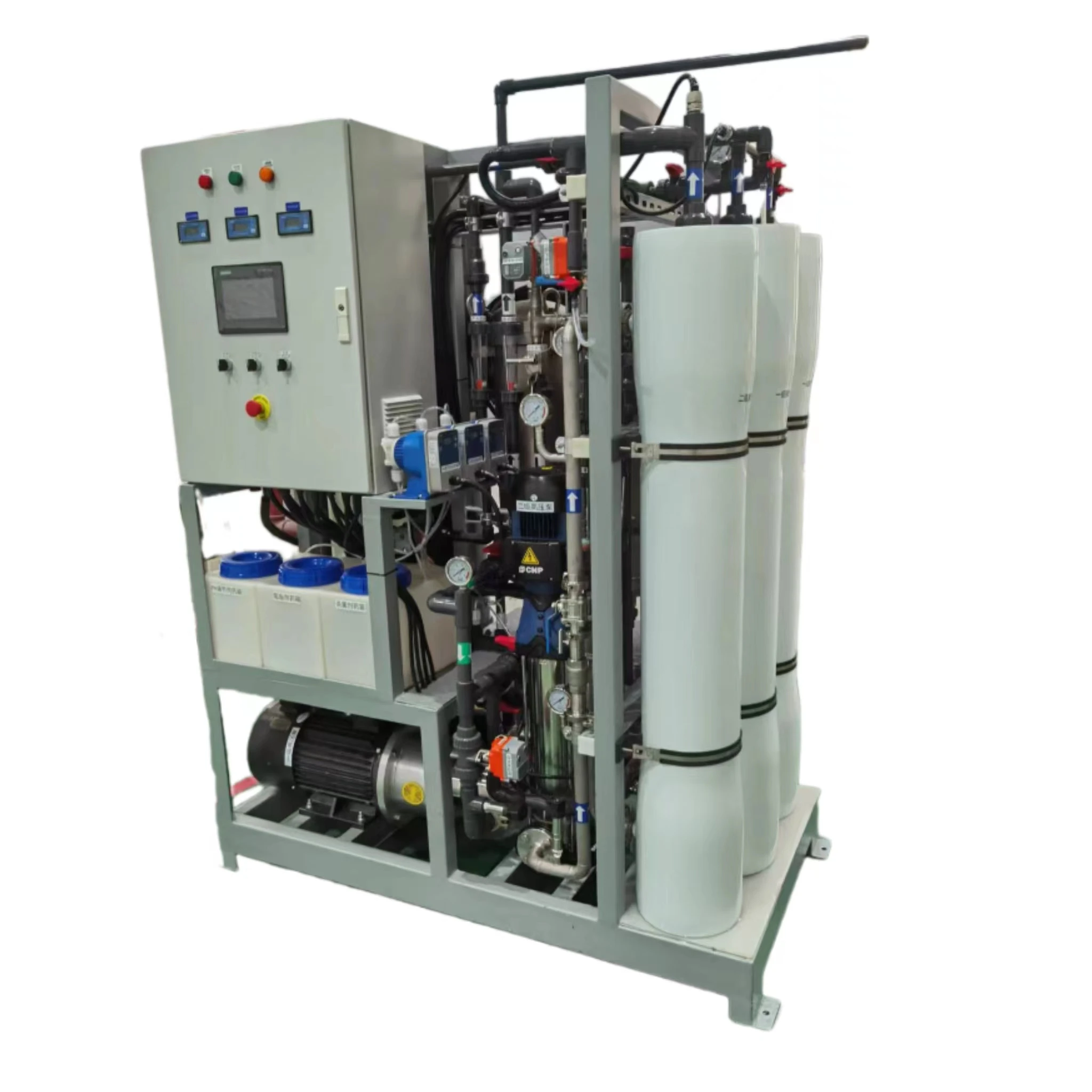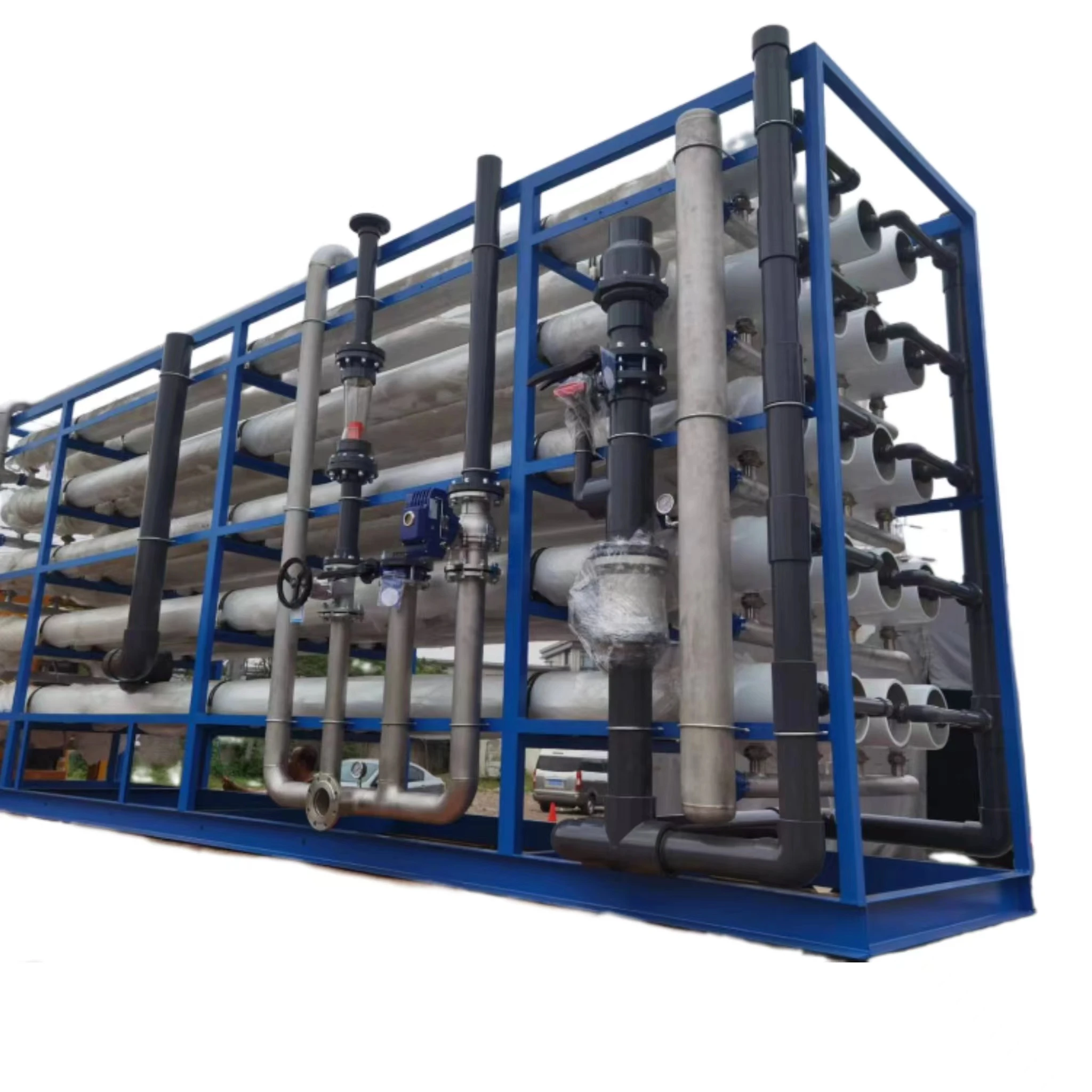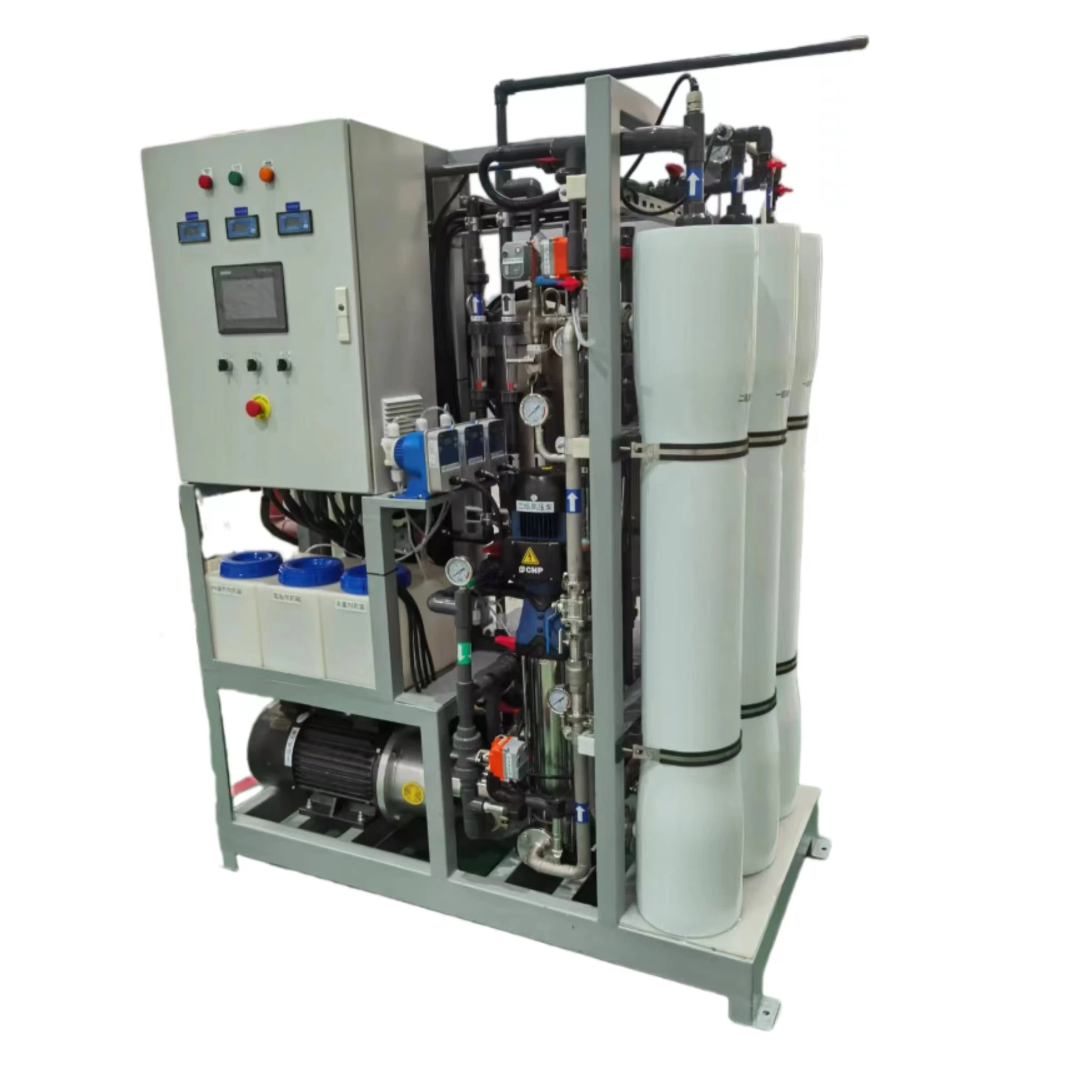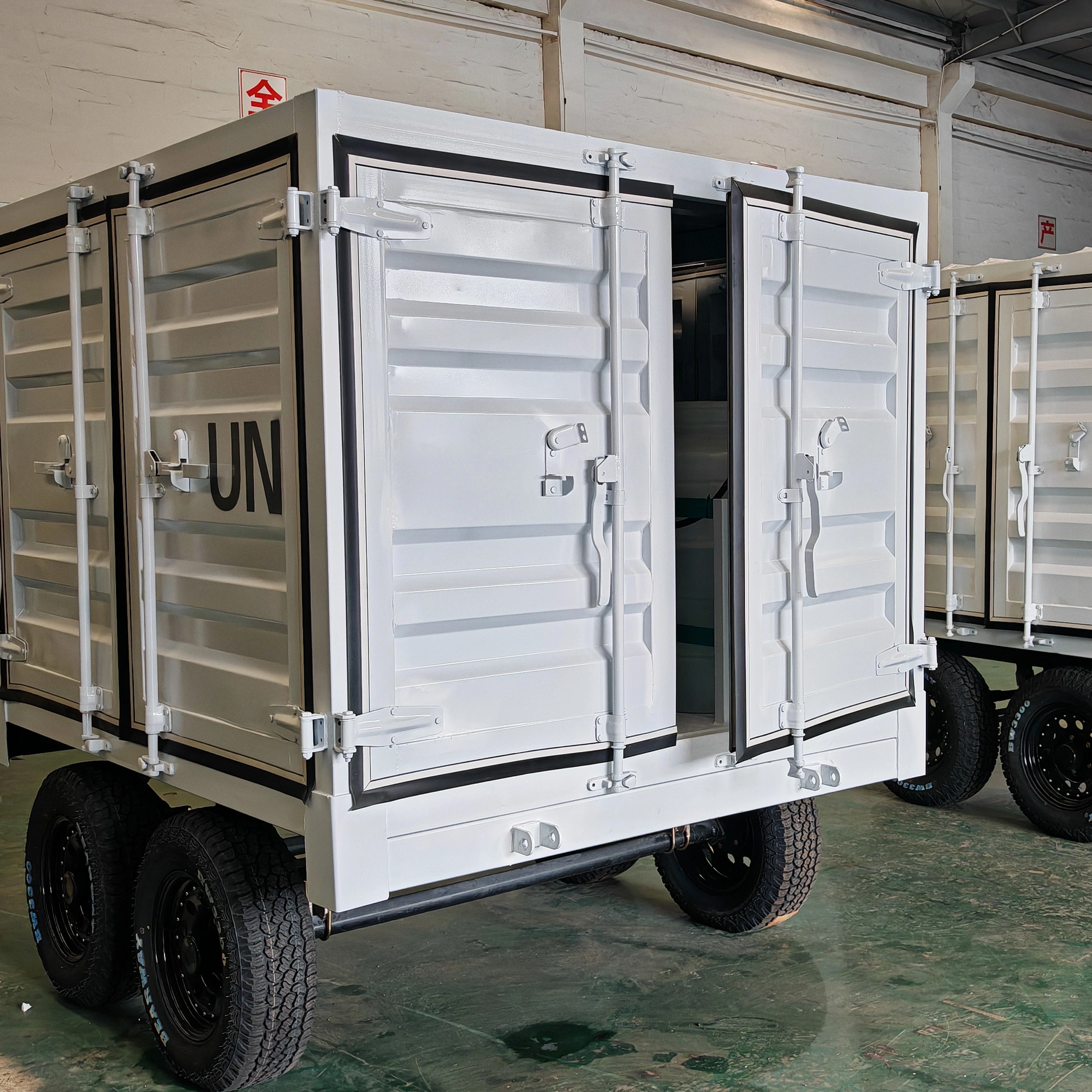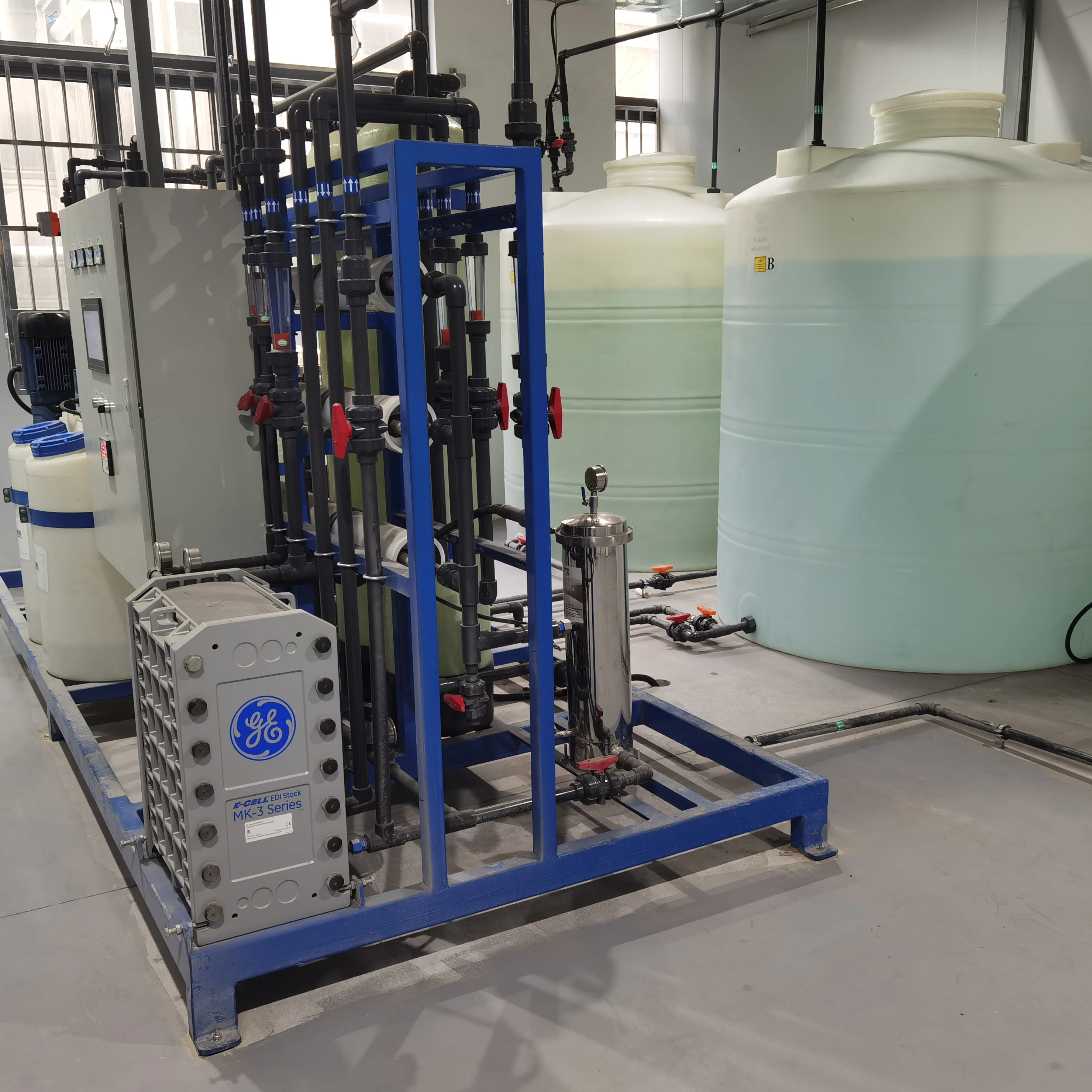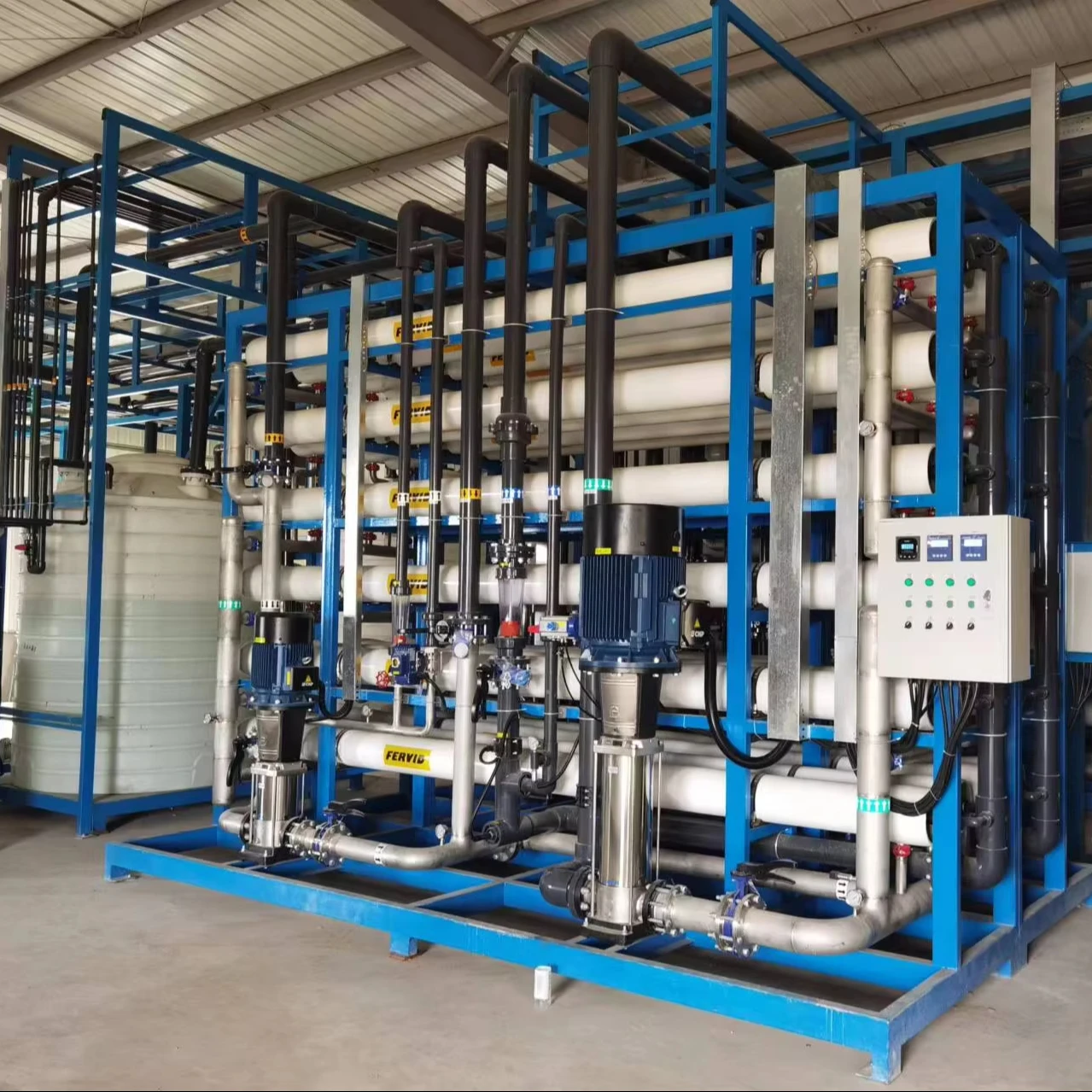
The ocean is a diverse and stunning environment with so many great things to offer. Have you considered how we may able to utilize it's saline water for essential purposes such as drinking and agriculture? This particular process is referred to as desalination. Desalination is the process of removing the salt and other minerals from seawater to make it safe for human use. But desalination isn’t without its costs, and we need to consider the ramifications for coast-adjacent communities.
What we mean to say is that, when discussing the true cost of desalination, we cannot limit ourselves to the money involved in building and maintaining a desalination plant. There are quite also the costs to the environment that we have to think about. So, for example, operating a desalination plant takes a considerable amount of energy, all of which can produce carbon emissions that are detrimental to our planet. Moreover, there is brine, which is leftover salty water after the desalination process. This brine affects the life of the ocean and surrounding ecological ranges of coastal areas.
There are several factors that could alter the operating cost of desalination. Site selection for a desalination plant is extremely critical. Where it is built influences how much energy is required to pump seawater in and out of the plant. Running the plant could be even more expensive if the plant is stationed far away from the ocean or in a challenging location. The size of the desalination plant also has a significant impact. Bigger plants need more inputs, more labor, more power to run them so they often are more expensive,” Lastly, the type of technology used in the desalination process also makes a big difference in the total cost. Using dated technology can be less effecient than newer technologies, wasting energy and money.
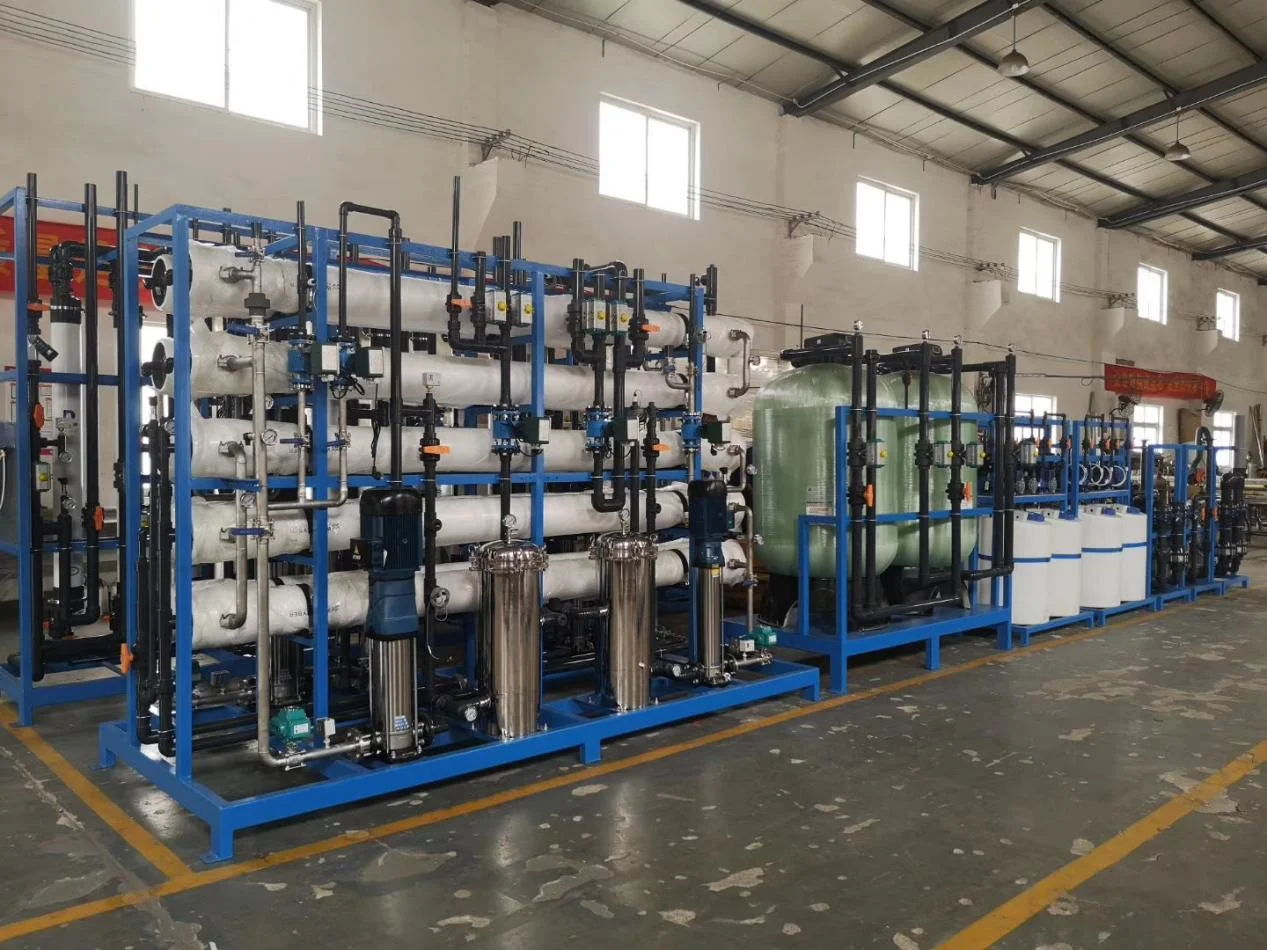
Technological progress can lower the price of desalination. Drinking water treatment innovations, for example, can help to make the desalination process more efficient so that it can get the job done faster and uses less energy. But there are good reasons why people use less energy, which is good for the planet. Moreover, renewable energy sources such as solar or wind power can be utilized to power desalination plants sustainably. This reduces costs and adds efficiency to the process, which is good for the planet.
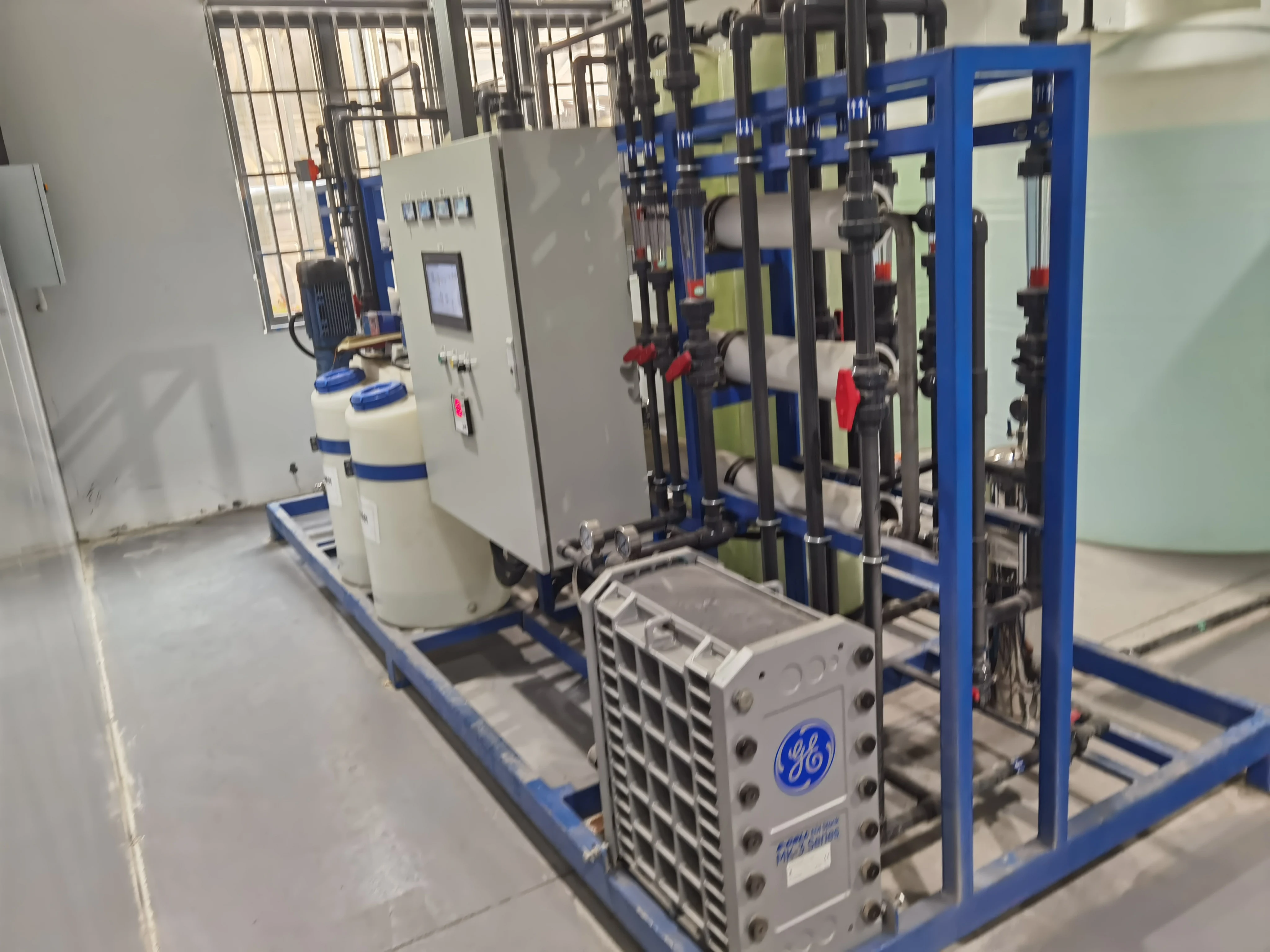
Desalination can have a massive economic and environmental footprint. Desalination is on the one hand a reliable source of fresh water for coastal areas that may experience water shortage issues. This appears a clear-sighted investment of money and movement and it can keep those areas flourishing, allowing the population to have access to sufficient water for their houses or trade. Conversely, the monetary expenditure of constructing and operating a desalination facility is generally elevated. This has implications for the budgets of local governments and how they allocate spending to other critical needs. In addition, energy consumption and carbon dioxide emissions from the desalination plants are causes of climate change and will harm the environment and health of the planet.
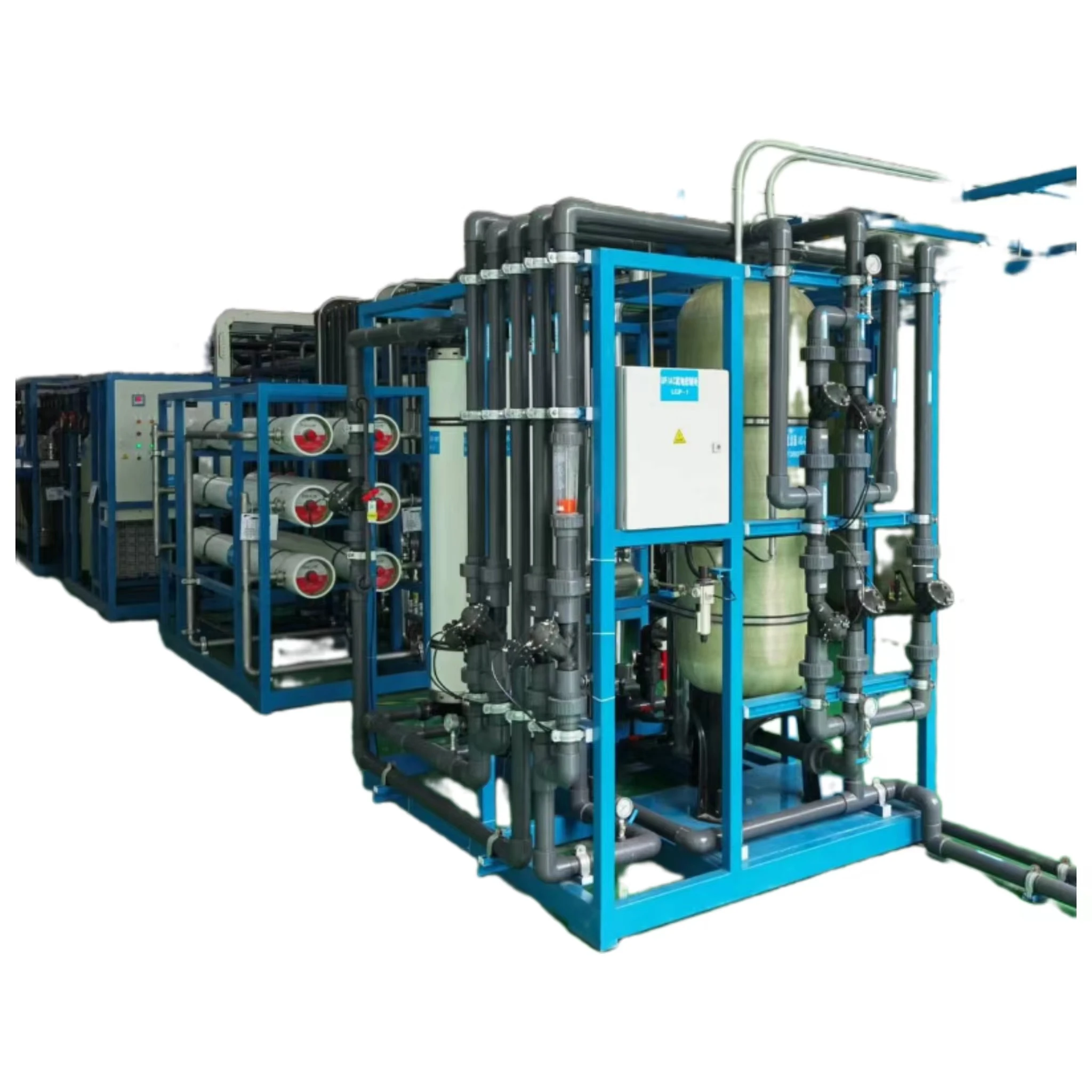
Access to sustainable, cost-effective desalination technologies is crucial for coastal regions. It will then help provide them with a steady stream of fresh water to keep growing and developing. But it is equally important that this is done in a manner that is environmentally friendly and does not damage marine ecology. We at SIHE support the application of sustainable and economical means of desalination. This would provide coastal areas with fresh water without any adverse effect on the environment or the life of the oceans.
The company follows strict standards and processes in quality control to ensure that every piece of equipment meets international quality requirements. We have a professional quality assurance team that conducts meticulous testing and inspection of raw materials, assembly, processes, and other aspects to ensure that our products fully meet the requirements of the design documents and confirmed design drawings. At the same time, we invite customers to participate in the main stages of product production inspection and acceptance to ensure transparency and customer satisfaction.
Your satisfaction doesn't end when you purchase our product; it's just the beginning. We prioritize your needs above all else and offer round - the - clock, all - encompassing after - sales services. Whether you're grappling with a product - related issue or in need of technical assistance, our highly trained and responsive team is just a call or an email away. We're committed to forging lasting relationships with our customers, ensuring that you can use our products with complete peace of mind.
The company integrates research and development, production, sales, demonstration and promotion of integrated seawater desalination technology, and has 20 sets of automation, intelligent production, testing, inspection and other equipment. It is a provincial demonstration intelligent workshop
The management team of Sihe Biotechnology (Jiaxing) Co., Ltd. is composed of technical personnel with years of experience in the water treatment industry, senior engineers from foreign companies, outstanding personnel with experience in research institutes and large domestic environmental engineering companies. The company prioritizes the cultivation of human and technical resources, with the core being the establishment of an excellent service management team that adapts to the competition in the domestic water treatment market
Copyright © Sihe Biotechnology (Jiaxing) Co., Ltd All Rights Reserved | Privacy Policy | Blog
 EN
EN