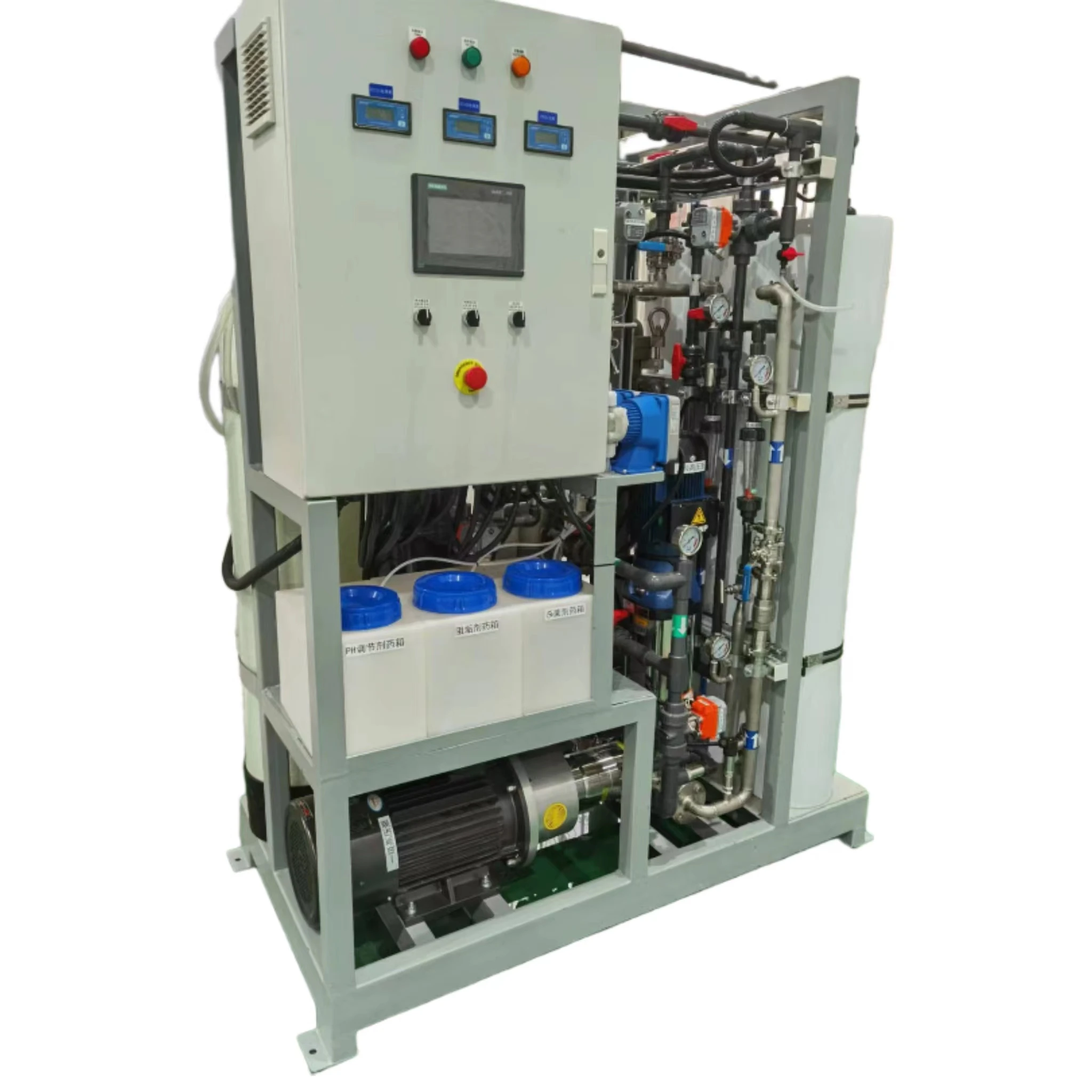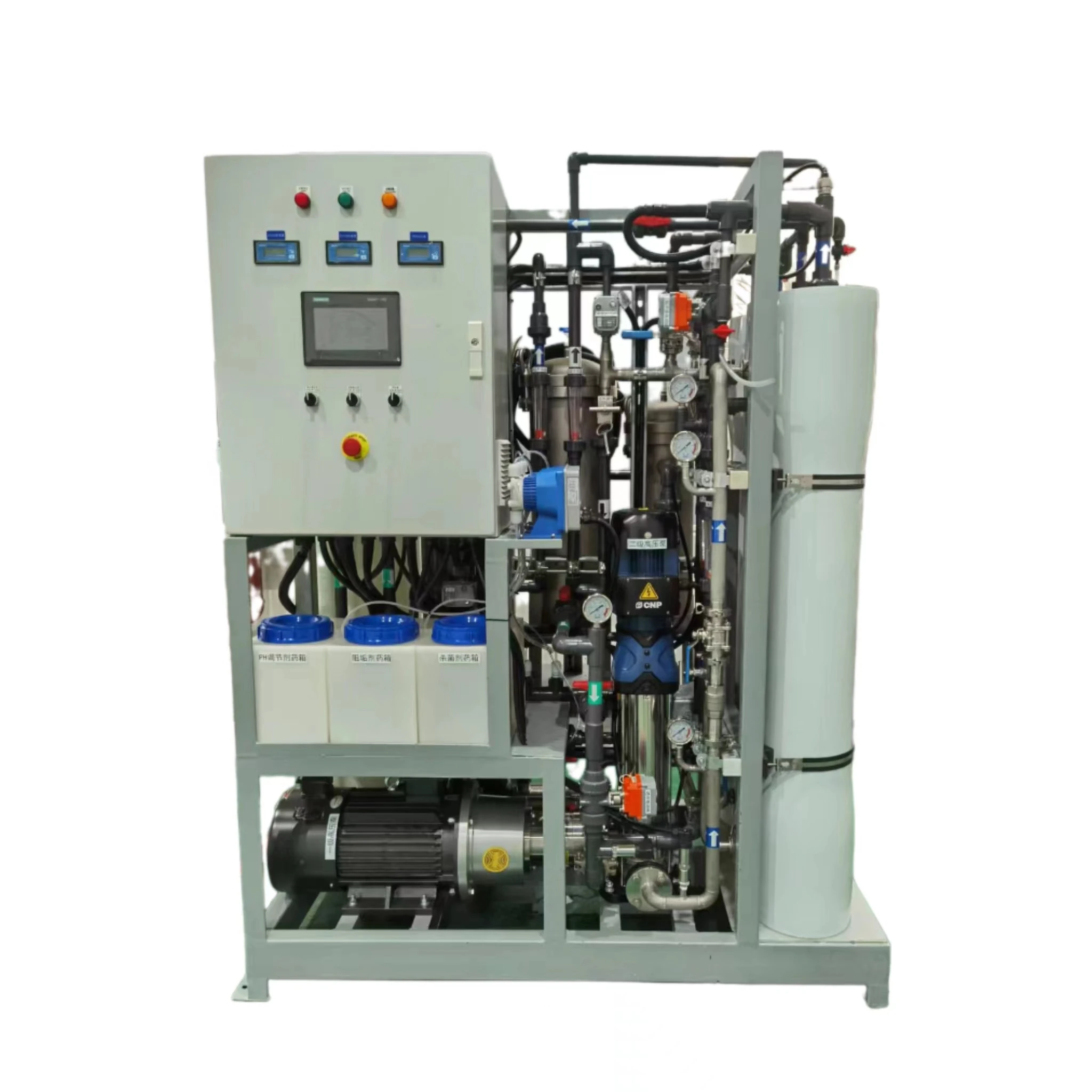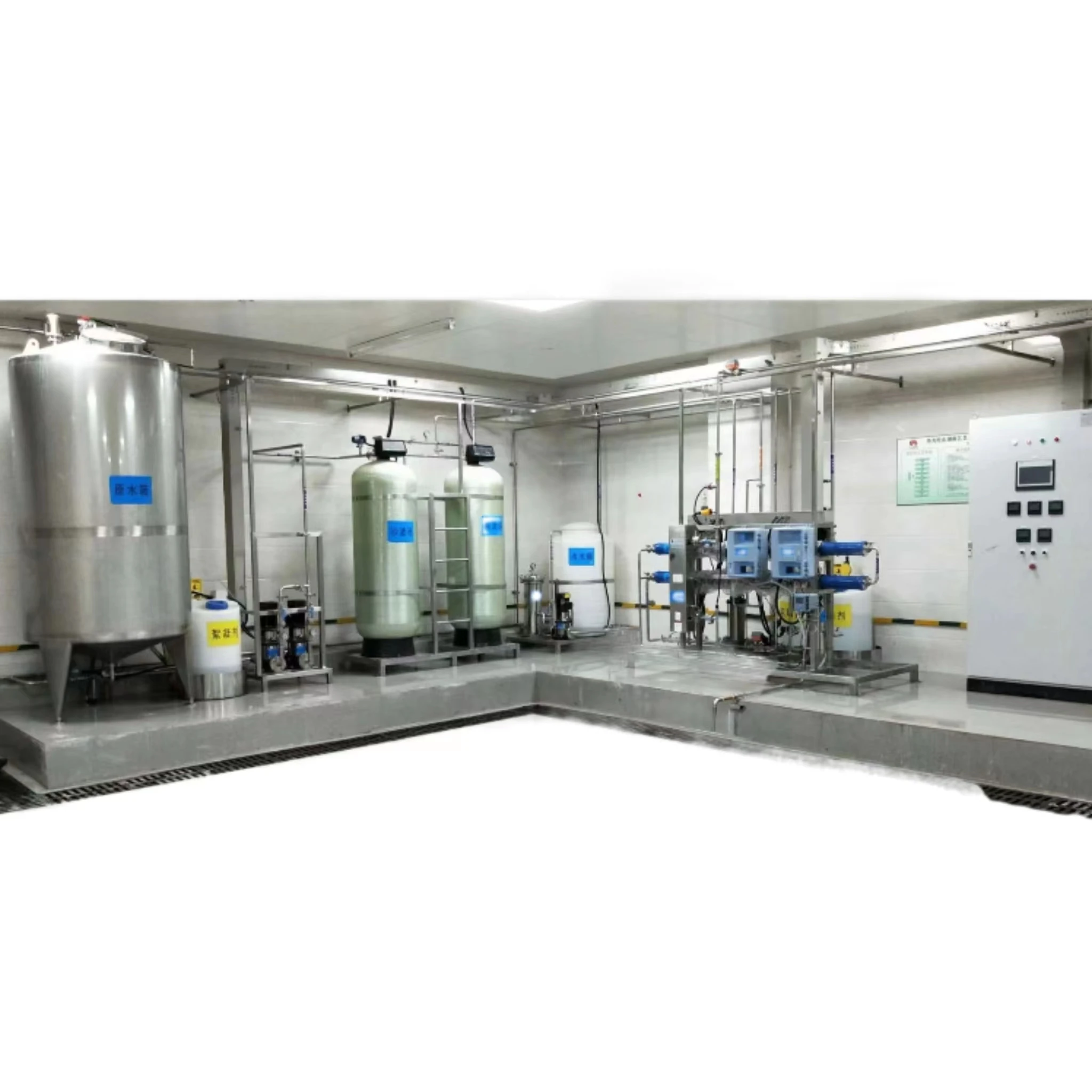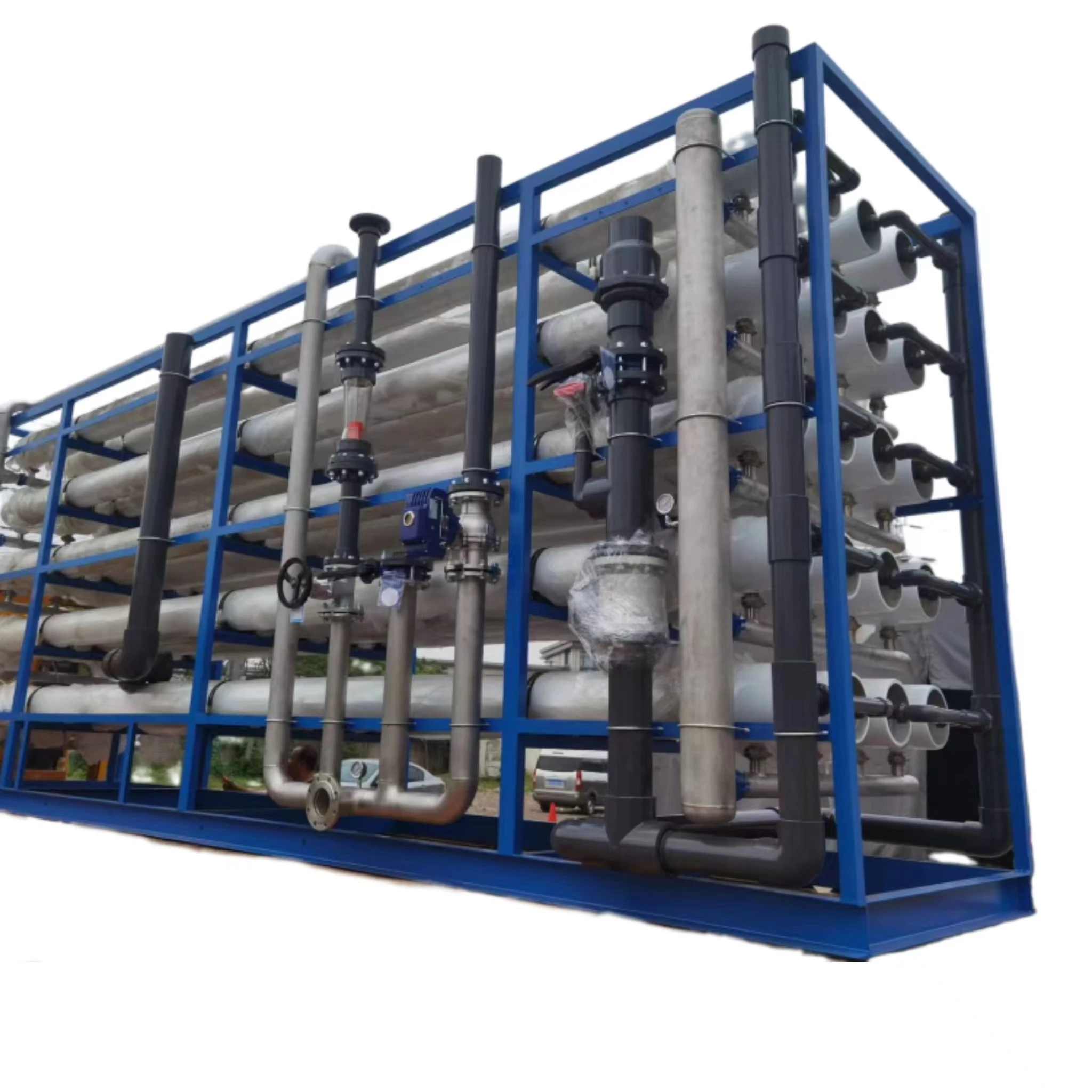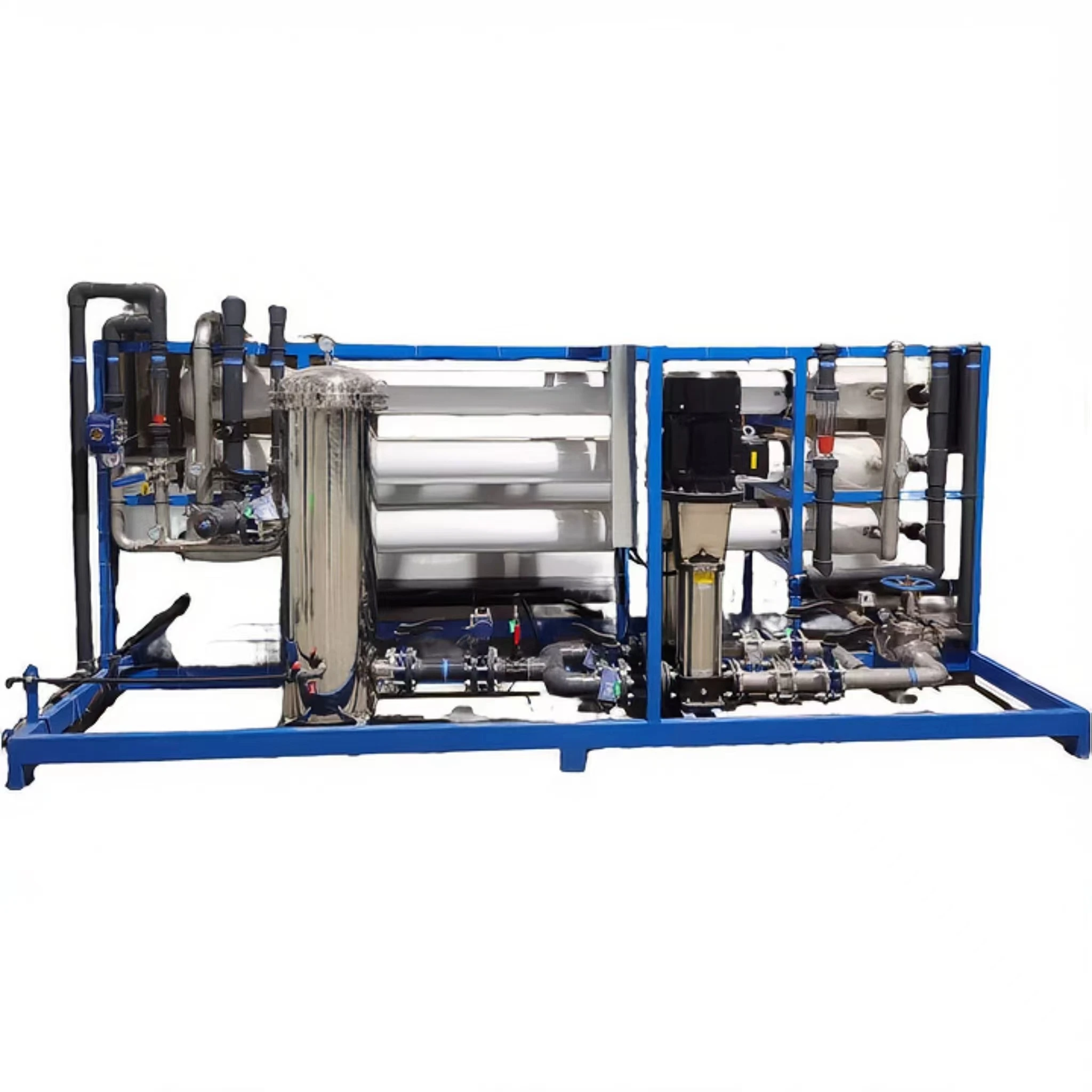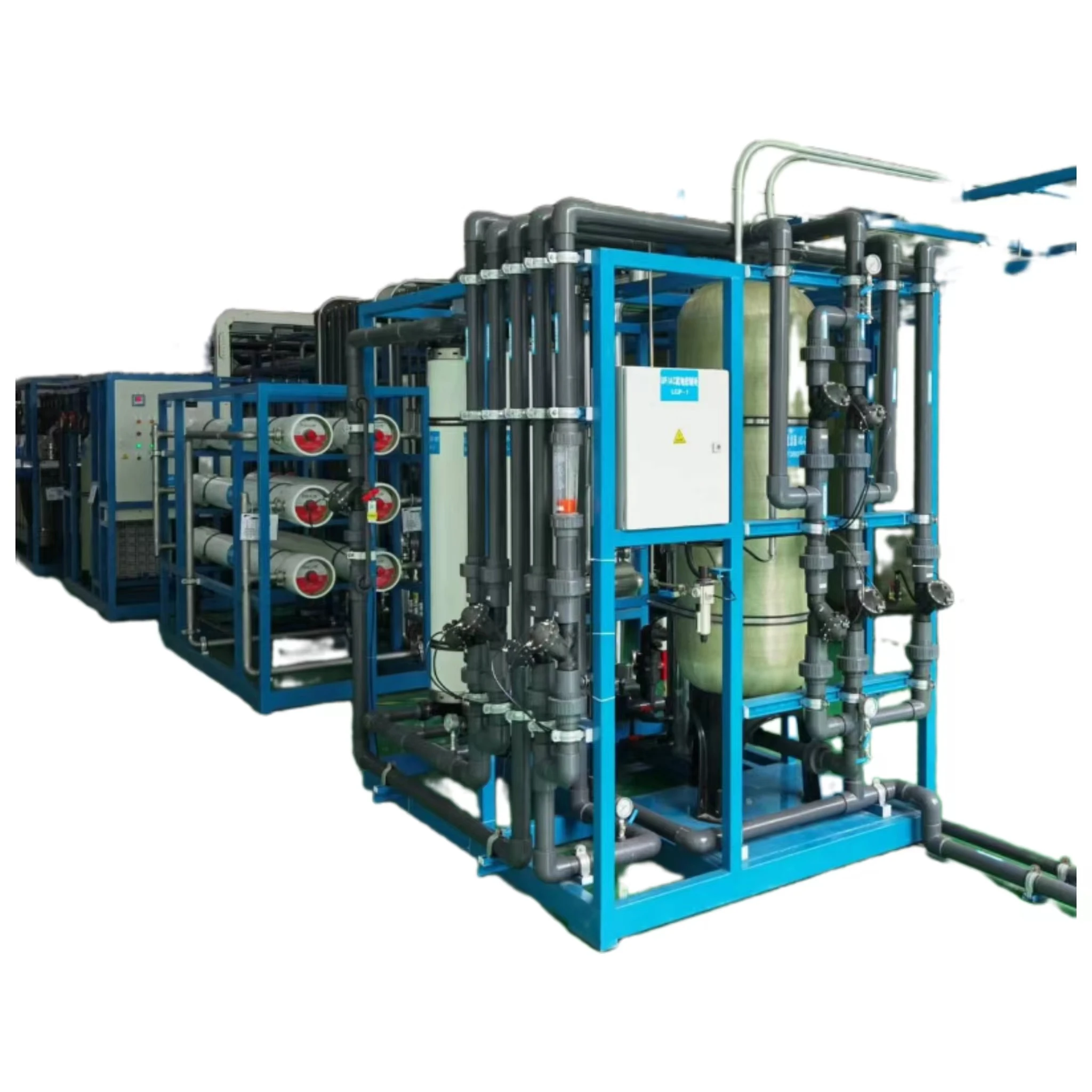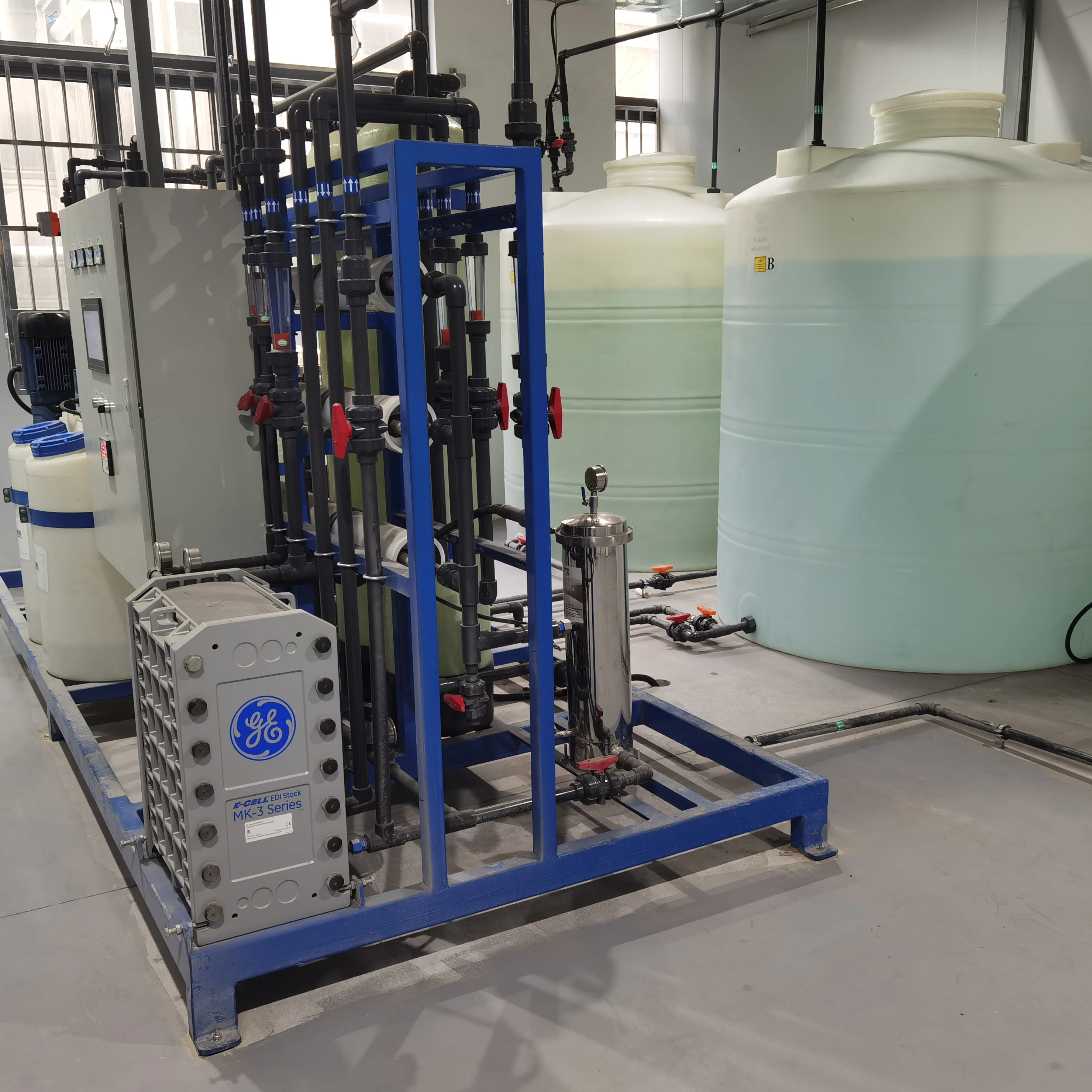
Seawater desalination systems are massive machines that convert salty water from the ocean into clean, potable water. This process is crucial because most of the water available on Earth is salty, which means it is not edible for us. This article discusses what seawater desalination is, how it works, its benefits and downsides, innovations leading to new technologies, and its potential role in solving the global water crisis.
Water desalination is a process of removing salt and minerals from sea water, rendering it safe for human consumption. Most desalination is done using a process called reverse osmosis. This is done using a natural filter called a semi-permeable membrane. This filter acts like a sluice, letting through only water molecules while blocking salt and other minerals. To carry out this process, seawater is pressurized and forced through the filter. The clean water that emerges on the other side is drinking-water-safe and usable in homes and businesses.
Post-treatment: After reverse osmosis, the water goes through post-treatment. In this step remaining contaminants are removed and certain chemicals are added to make sure that water is safe and balanced for drinking. This is a vital stage to ensure the water is at its best quality.
Distribution: The final step is to distribute the clean freshwater. It is distributed to homes, schools and businesses where it can be used for drinking, cooking and other daily activities. This simplest step ensures that people have access to safe water at the times they need it most.
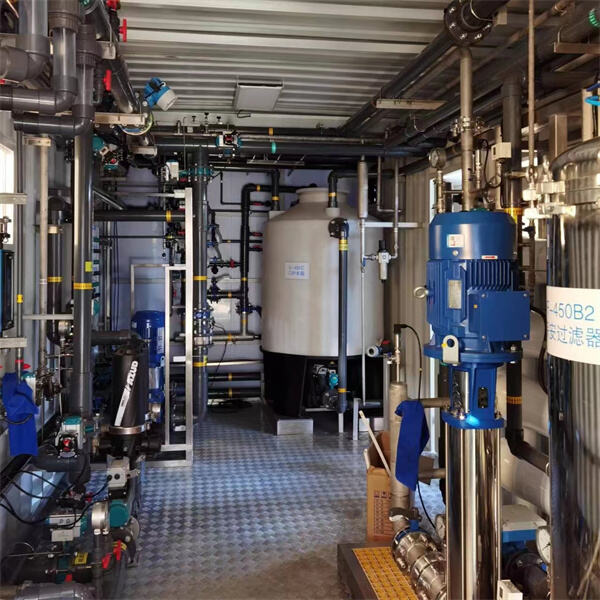
One of the major strengths of seawater desalination is that it has the potential to offer a dependable source of freshwater, particularly in regions where freshwater is scarce. This is critical during water shortages created due to natural disasters, such as droughts, hurricanes, and other extreme weather conditions. But this has also its own disadvantages. It is expensive to desalinate and requires a lot of energy to run. For some areas this can make the technology unaffordable. Moreover, the process can affect marine life by displacing their habitats. It is also important to responsibly deal with the way the leftover salt and other byproducts are disposed of, as these can be harmful to the environment as well.
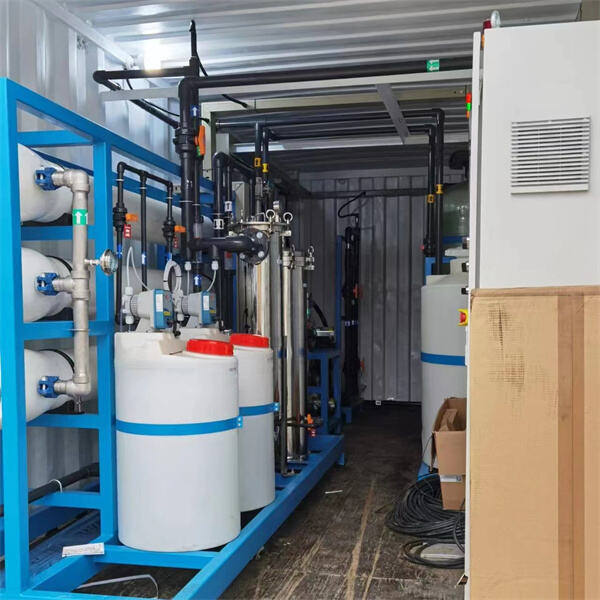
Sea Water Desalination Scientists and engineers continue to refine seawater desalination technologies. One groundbreaking development is the use of solar energy to assist in cutting down the amount of energy that the desalination system required. That could help reduce its cost and environmental impact. Scientists are also testing new desalination techniques that are more efficient and less damaging to marine habitats. A less familiar method that researchers are exploring is called forward osmosis. A concentrated solution is then used to extract freshwater using salty water. Using less energy and having a smaller environmental impact, it is a promising alternative.
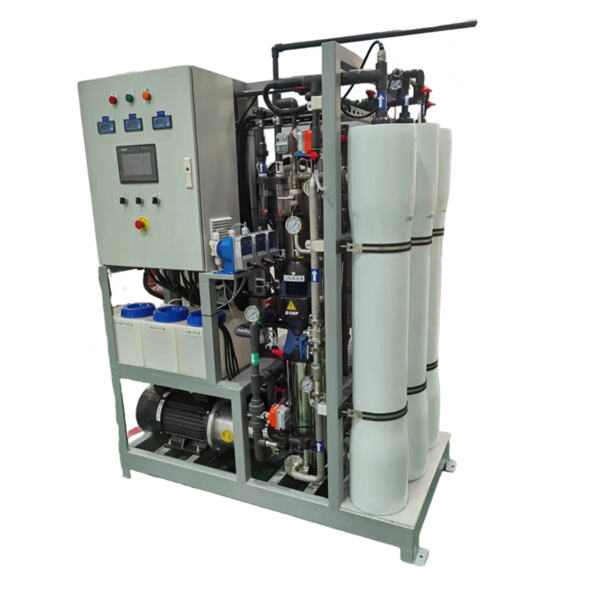
Seawater desalination — the process of removing contaminants from seawater — could help provide a new source of freshwater, and thus was touted as a solution to the growing global water crisis. With an increasing world population, this means a higher demand for clean, potable water in order to drink, cook, and also keep up with our various day to day activities. Desalination may be used in addition to freshwater sources such as rivers, lakes and underground aquifers. That said, we must be mindful that desalination is not a silver bullet. It also has challenges, including high costs and environmental consequences. And that is why it is important to weigh the pros and cons of seawater desalination, whilst also seeking other options to develop a sustainable future for all of us.
The company follows strict standards and processes in quality control to ensure that every piece of equipment meets international quality requirements. We have a professional quality assurance team that conducts meticulous testing and inspection of raw materials, assembly, processes, and other aspects to ensure that our products fully meet the requirements of the design documents and confirmed design drawings. At the same time, we invite customers to participate in the main stages of product production inspection and acceptance to ensure transparency and customer satisfaction.
Your satisfaction doesn't end when you purchase our product; it's just the beginning. We prioritize your needs above all else and offer round - the - clock, all - encompassing after - sales services. Whether you're grappling with a product - related issue or in need of technical assistance, our highly trained and responsive team is just a call or an email away. We're committed to forging lasting relationships with our customers, ensuring that you can use our products with complete peace of mind.
The company integrates research and development, production, sales, demonstration and promotion of integrated seawater desalination technology, and has 20 sets of automation, intelligent production, testing, inspection and other equipment. It is a provincial demonstration intelligent workshop
The management team of Sihe Biotechnology (Jiaxing) Co., Ltd. is composed of technical personnel with years of experience in the water treatment industry, senior engineers from foreign companies, outstanding personnel with experience in research institutes and large domestic environmental engineering companies. The company prioritizes the cultivation of human and technical resources, with the core being the establishment of an excellent service management team that adapts to the competition in the domestic water treatment market
Copyright © Sihe Biotechnology (Jiaxing) Co., Ltd All Rights Reserved | Privacy Policy | Blog
 EN
EN